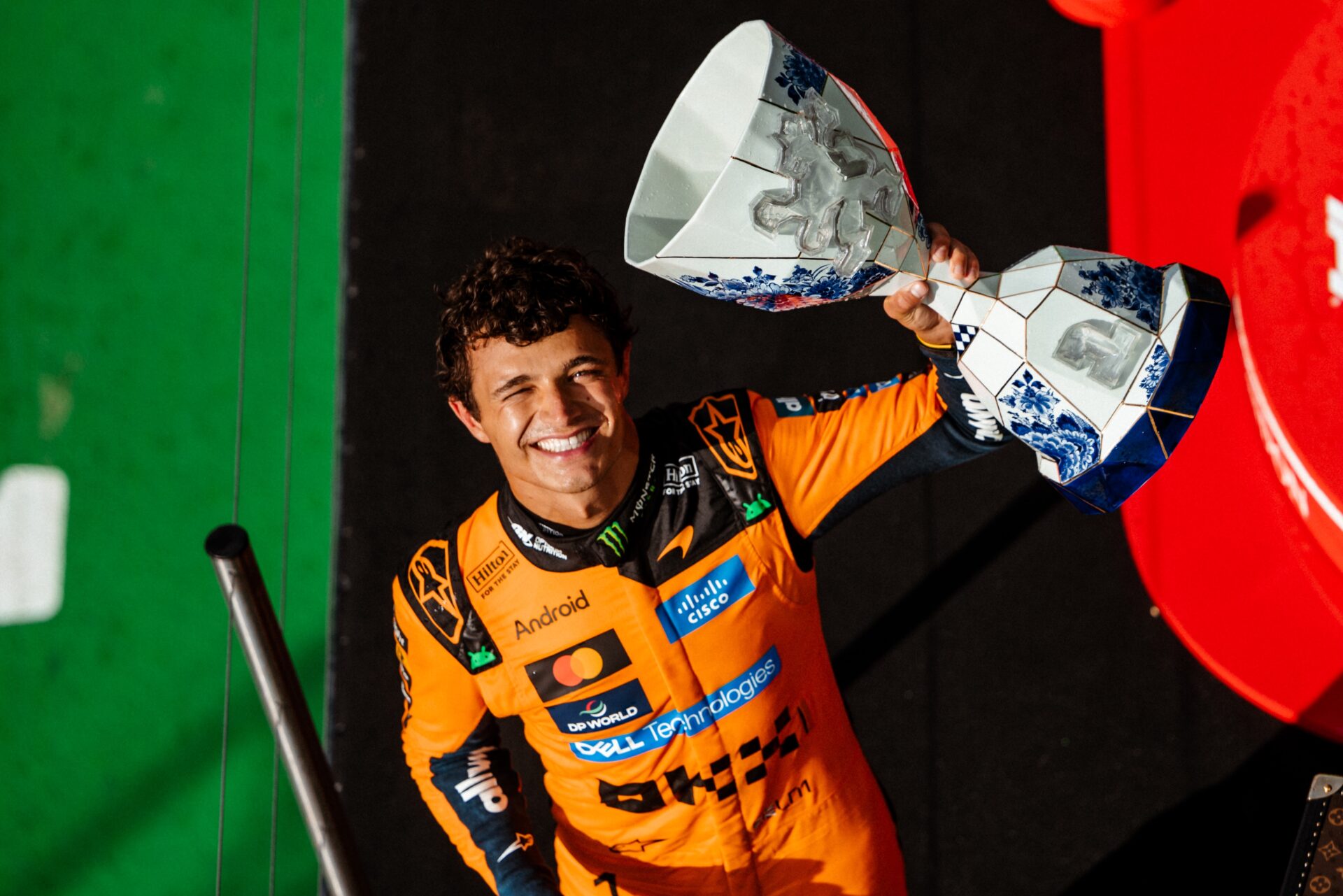
Lando Norris wins final FORMULA 1 HEINEKEN DUTCH GRAND PRIX; King Willem-Alexander presents winner’s trophy as Verstappen retires
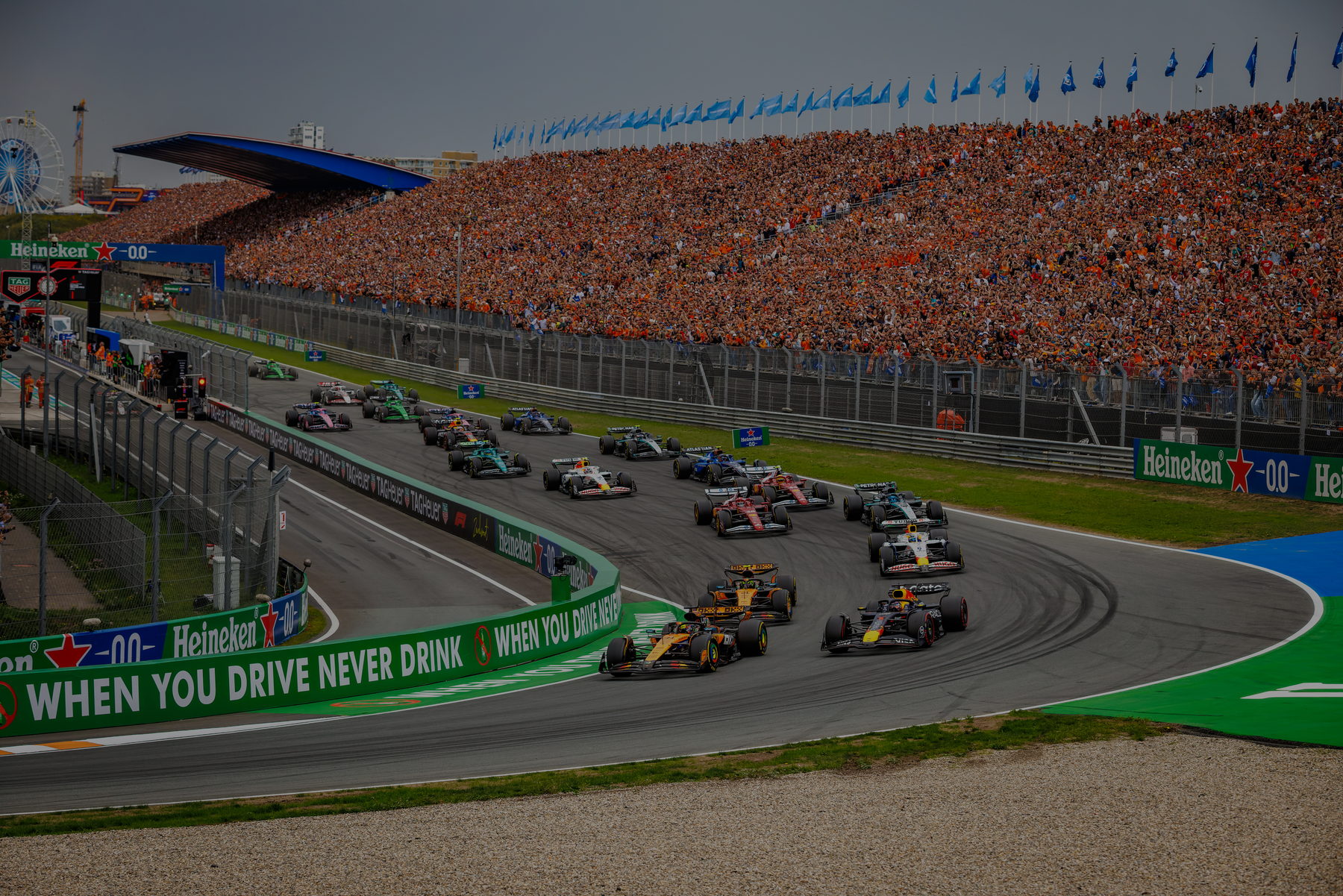
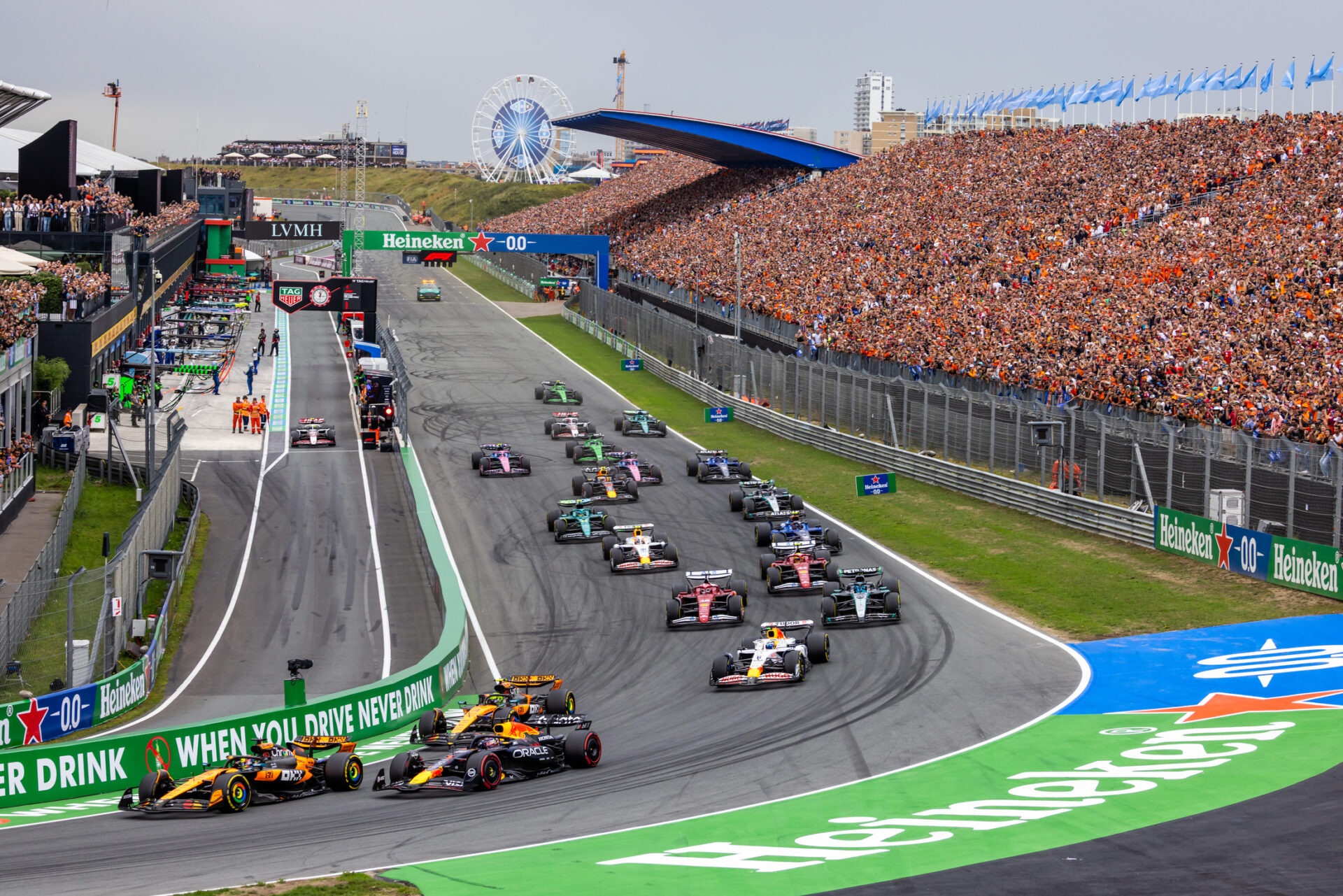
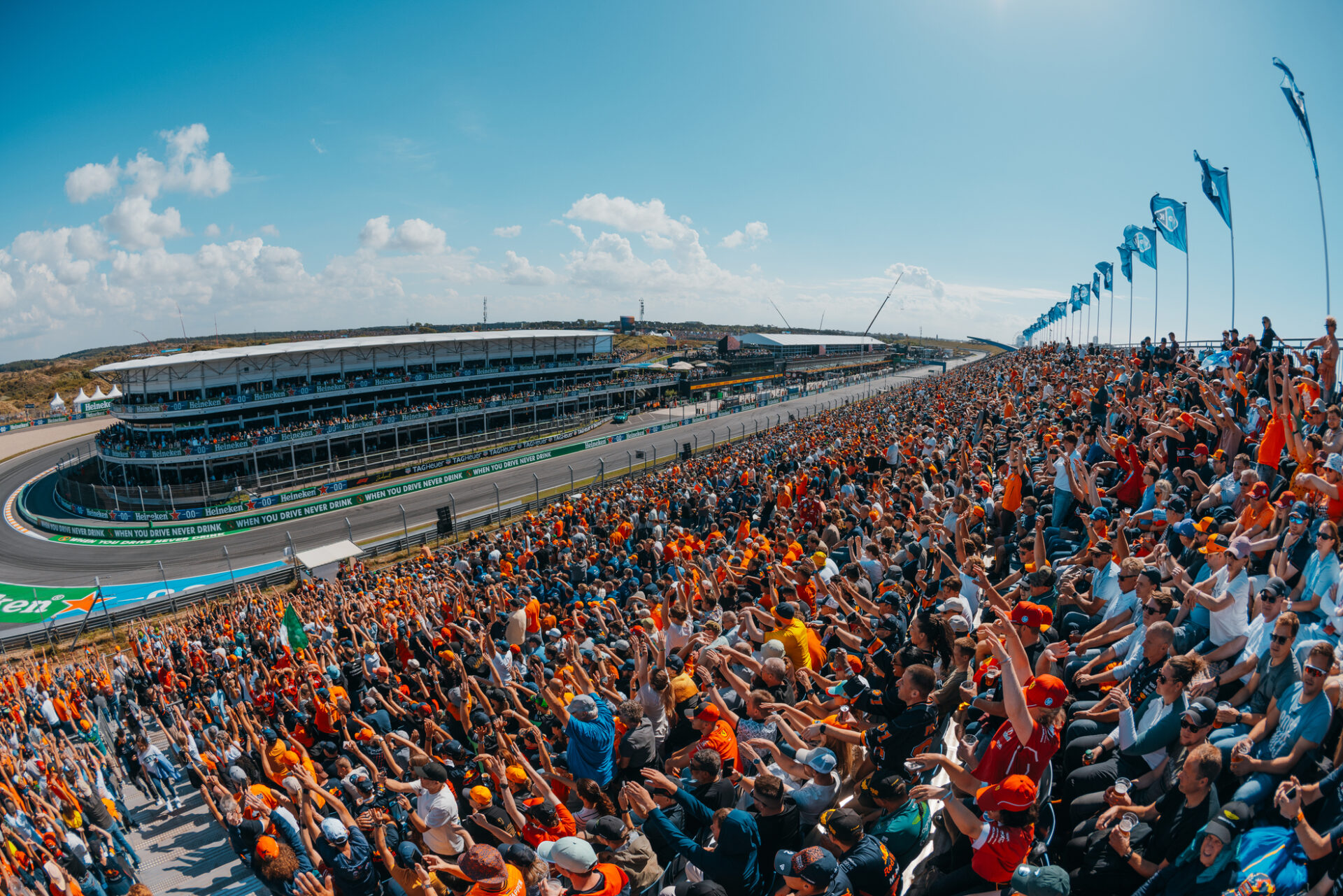
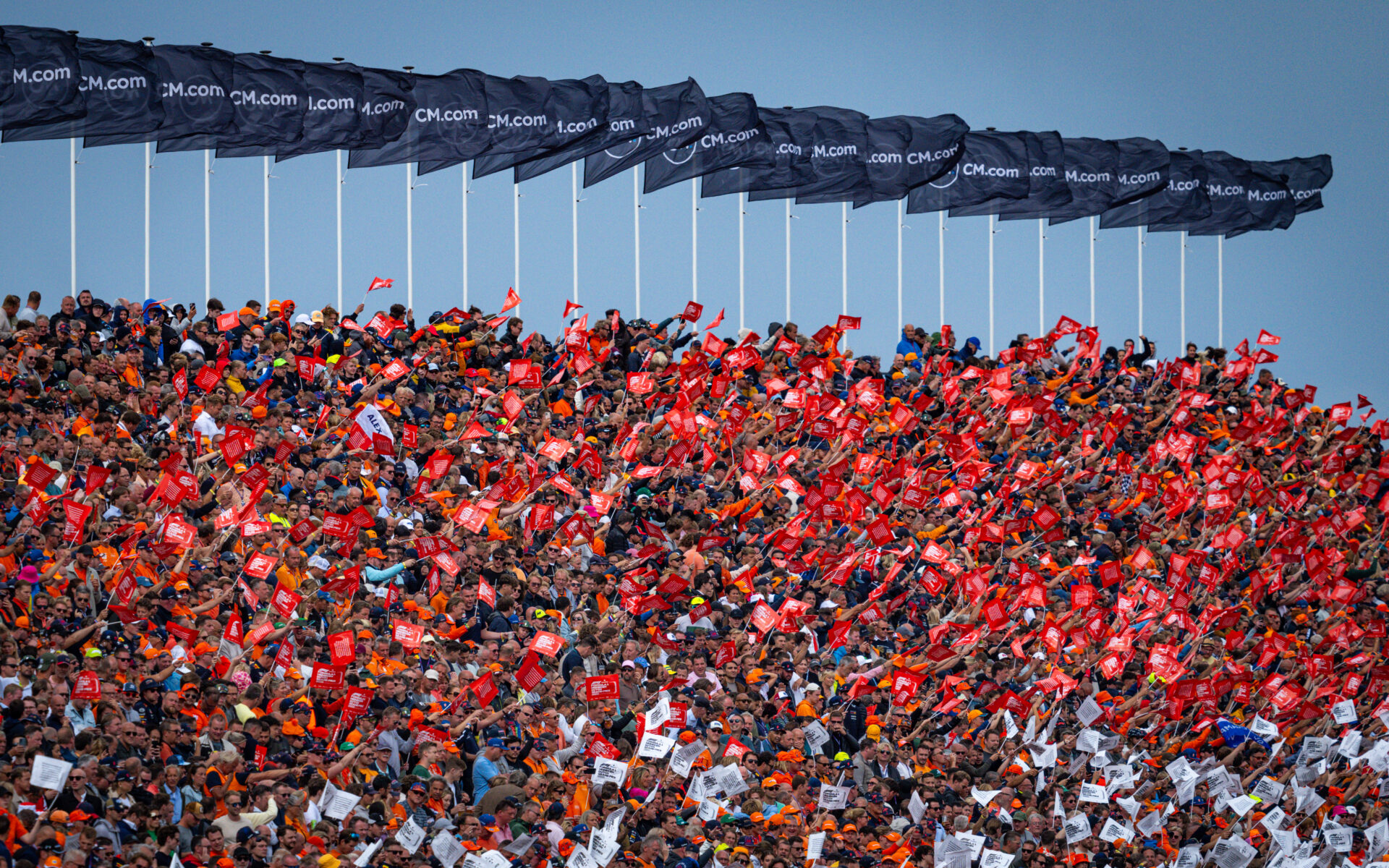
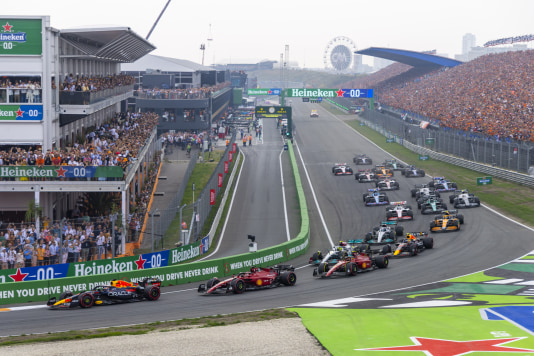
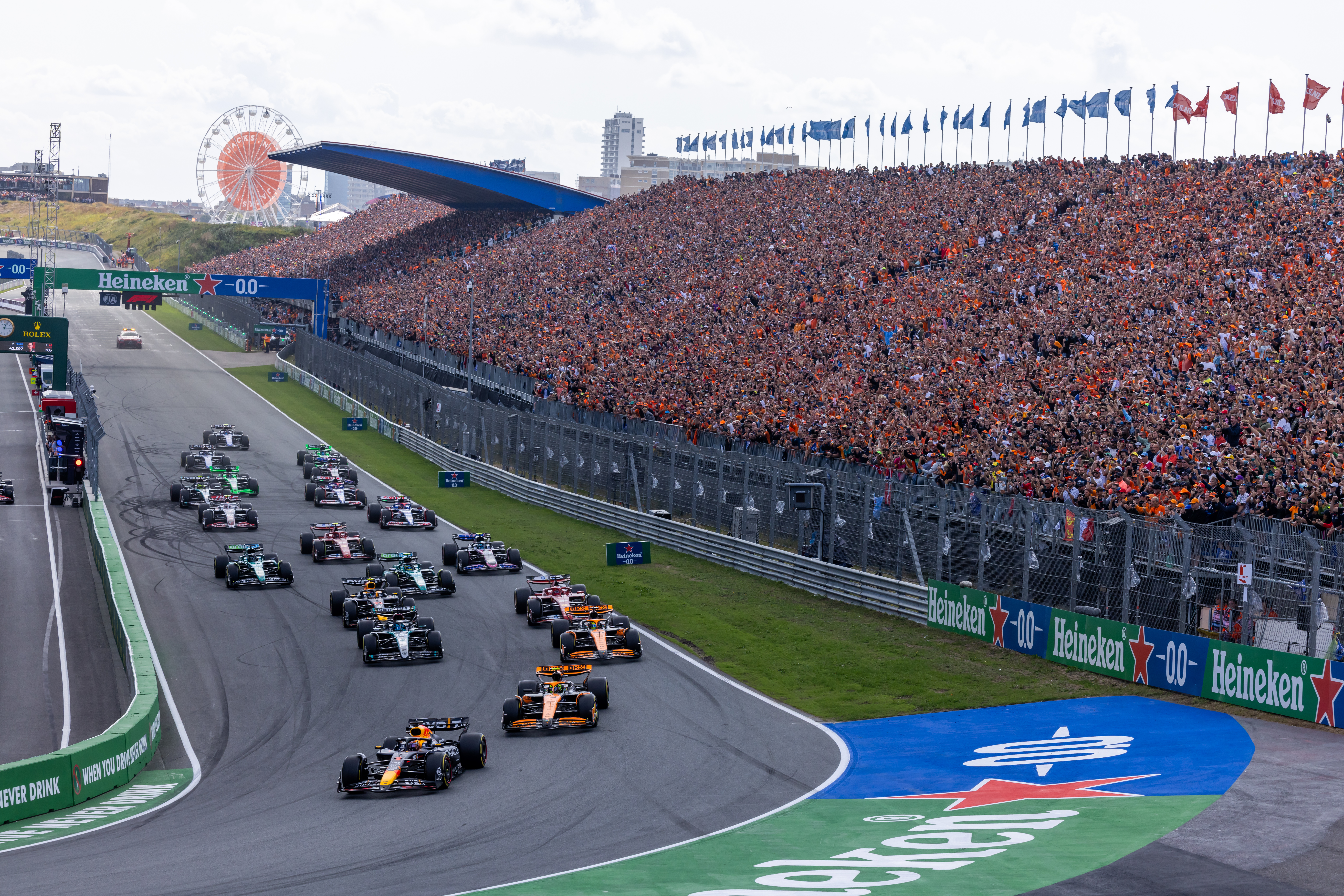
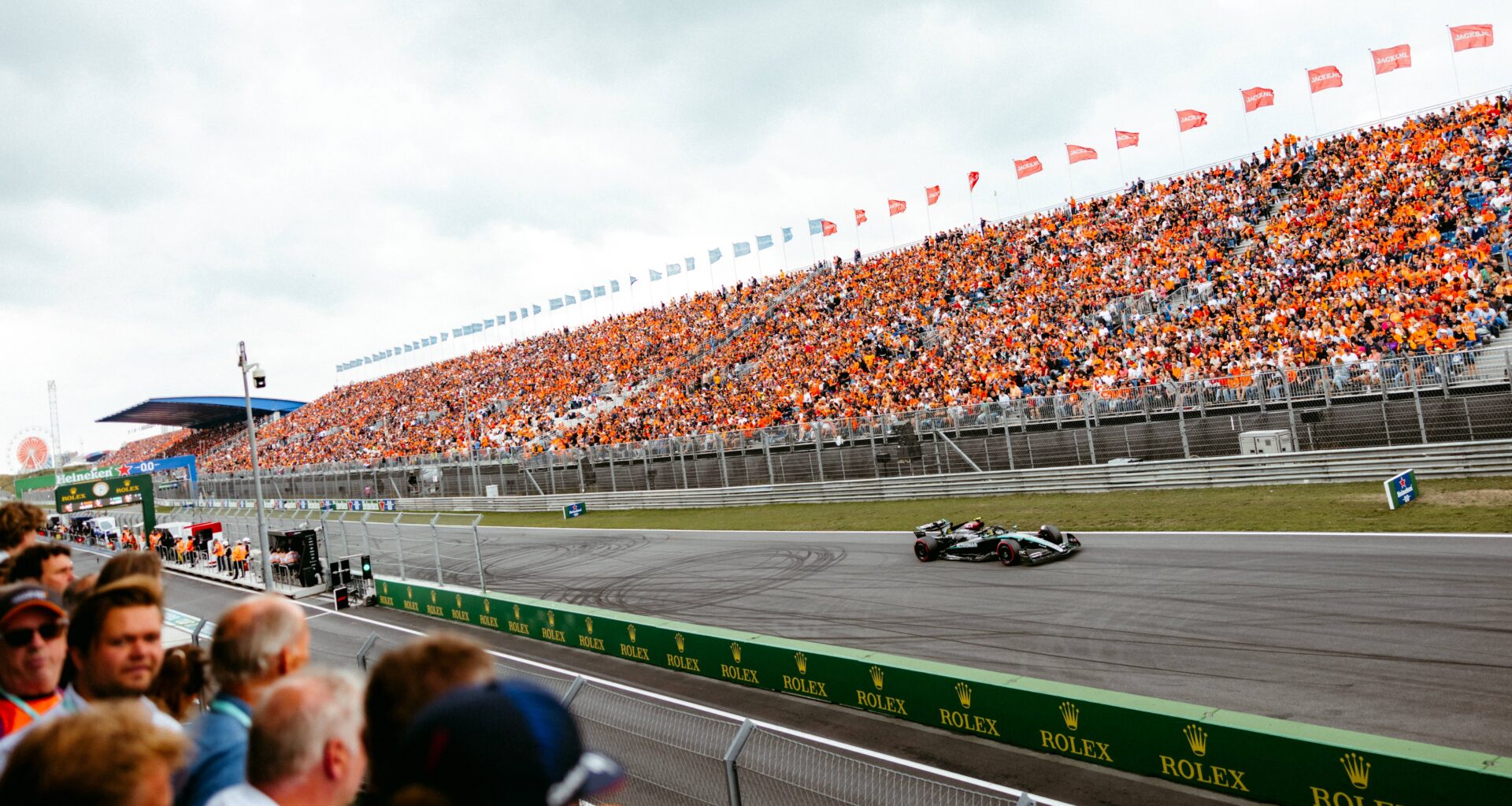
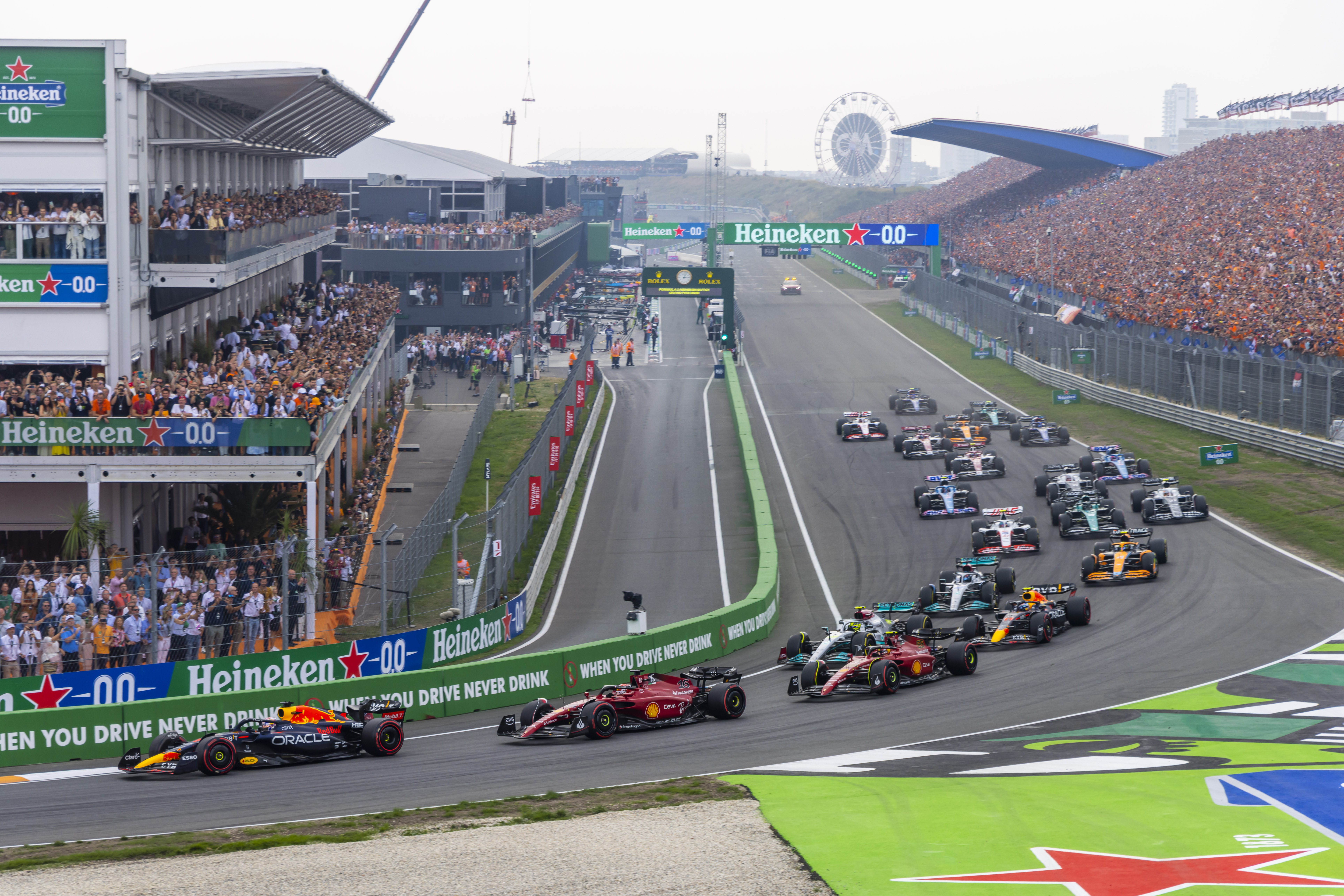
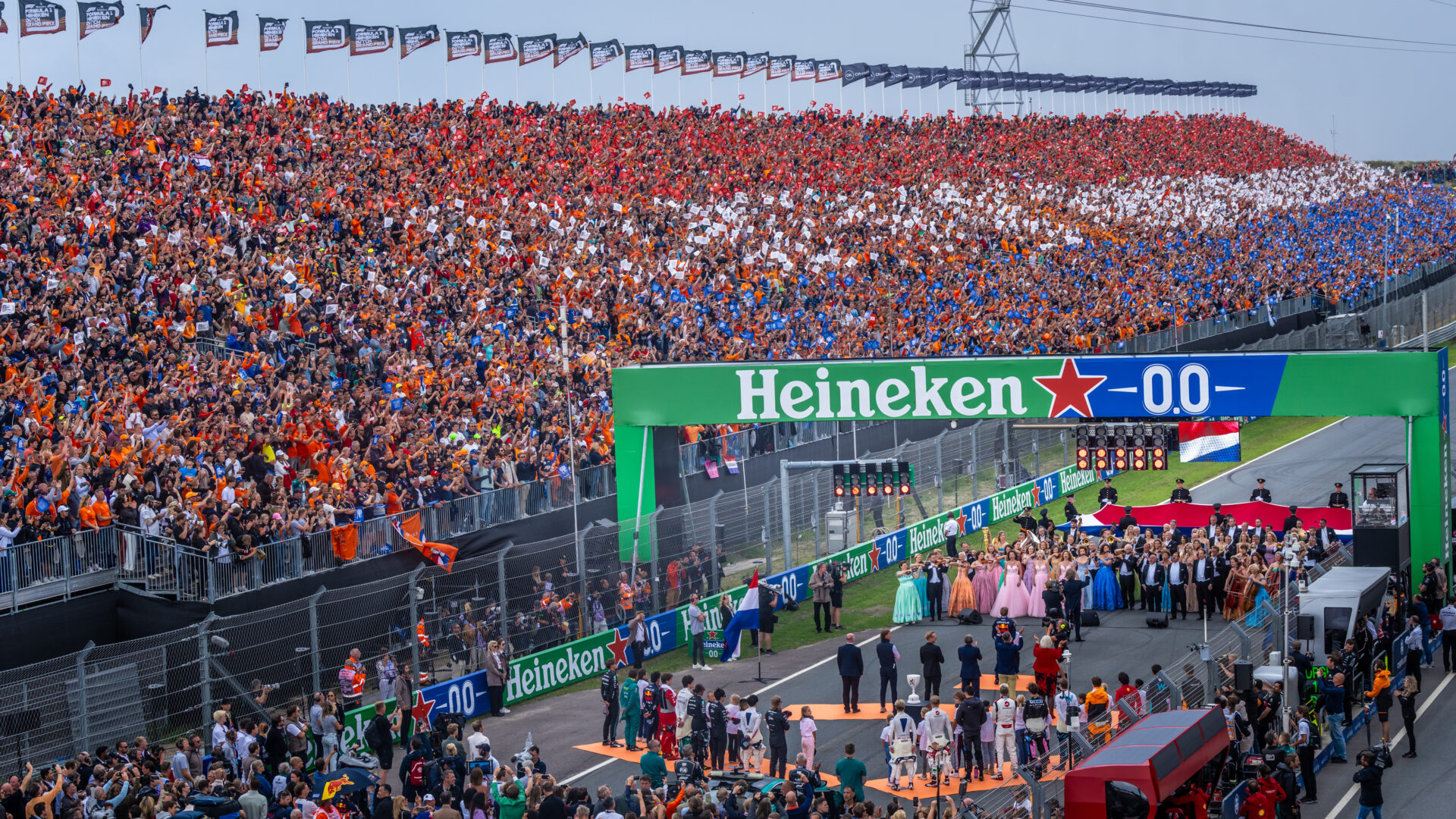
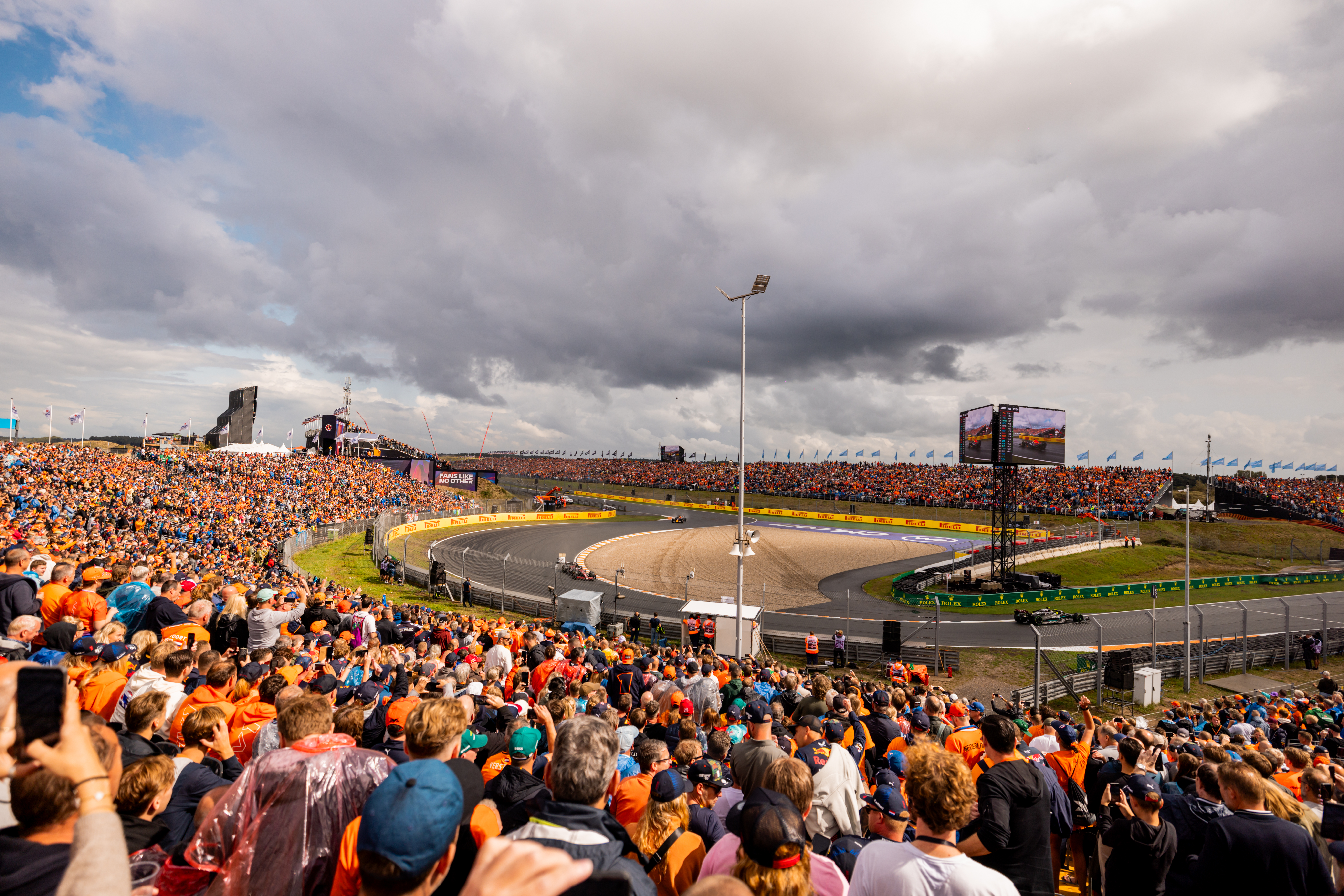
ZANDVOORT – An iconic chapter in Dutch sporting history came to an end at Circuit Zandvoort on Sunday afternoon after six editions. The final FORMULA 1 HEINEKEN DUTCH GRAND PRIX attracted a record 325,000 visitors from Thursday through Sunday. King Willem-Alexander presented the winner’s trophy to Lando Norris, who finished ahead of Kimi Antonelli, with George Russell taking third place. Max Verstappen crashed out on the opening lap.
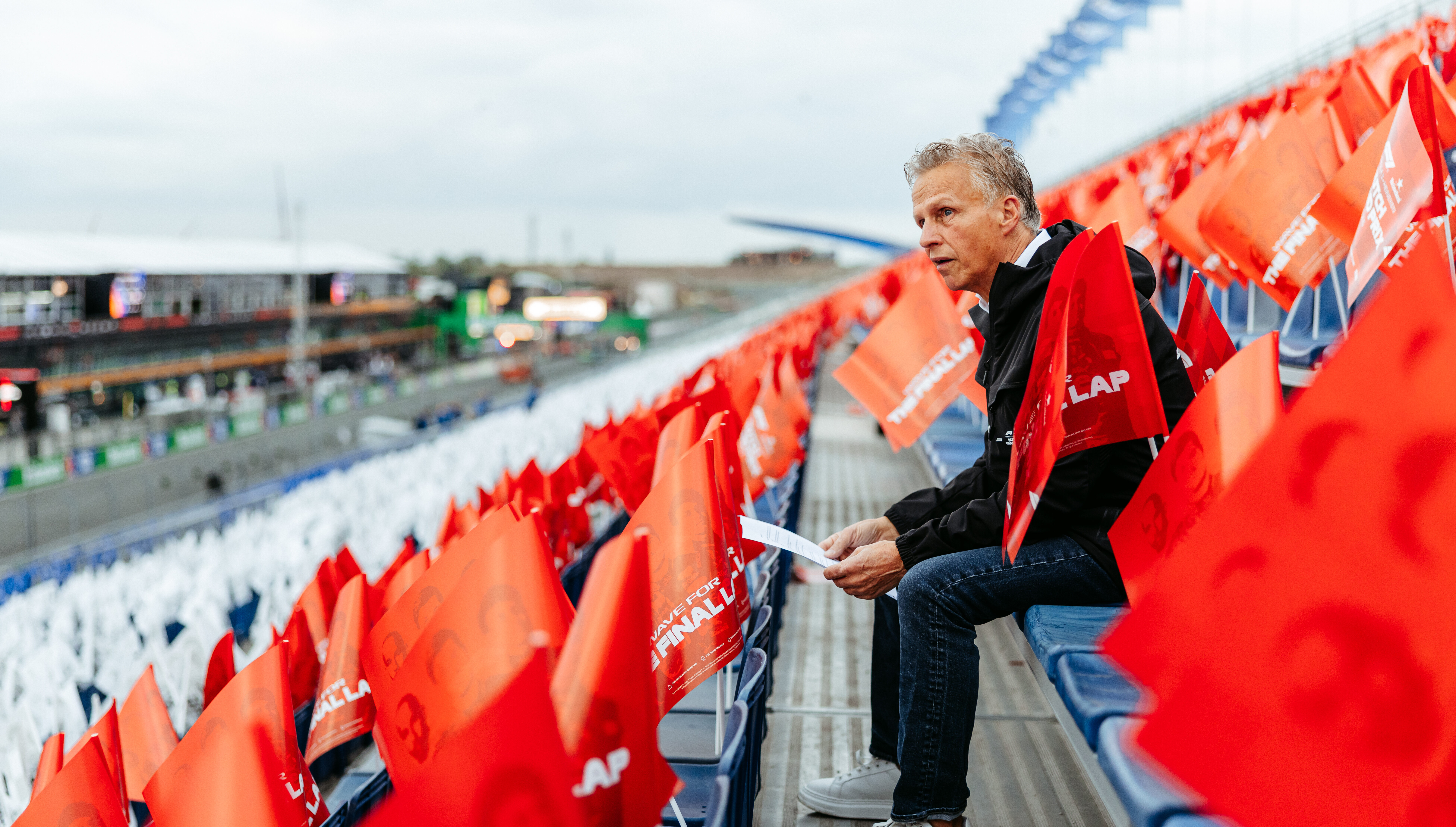
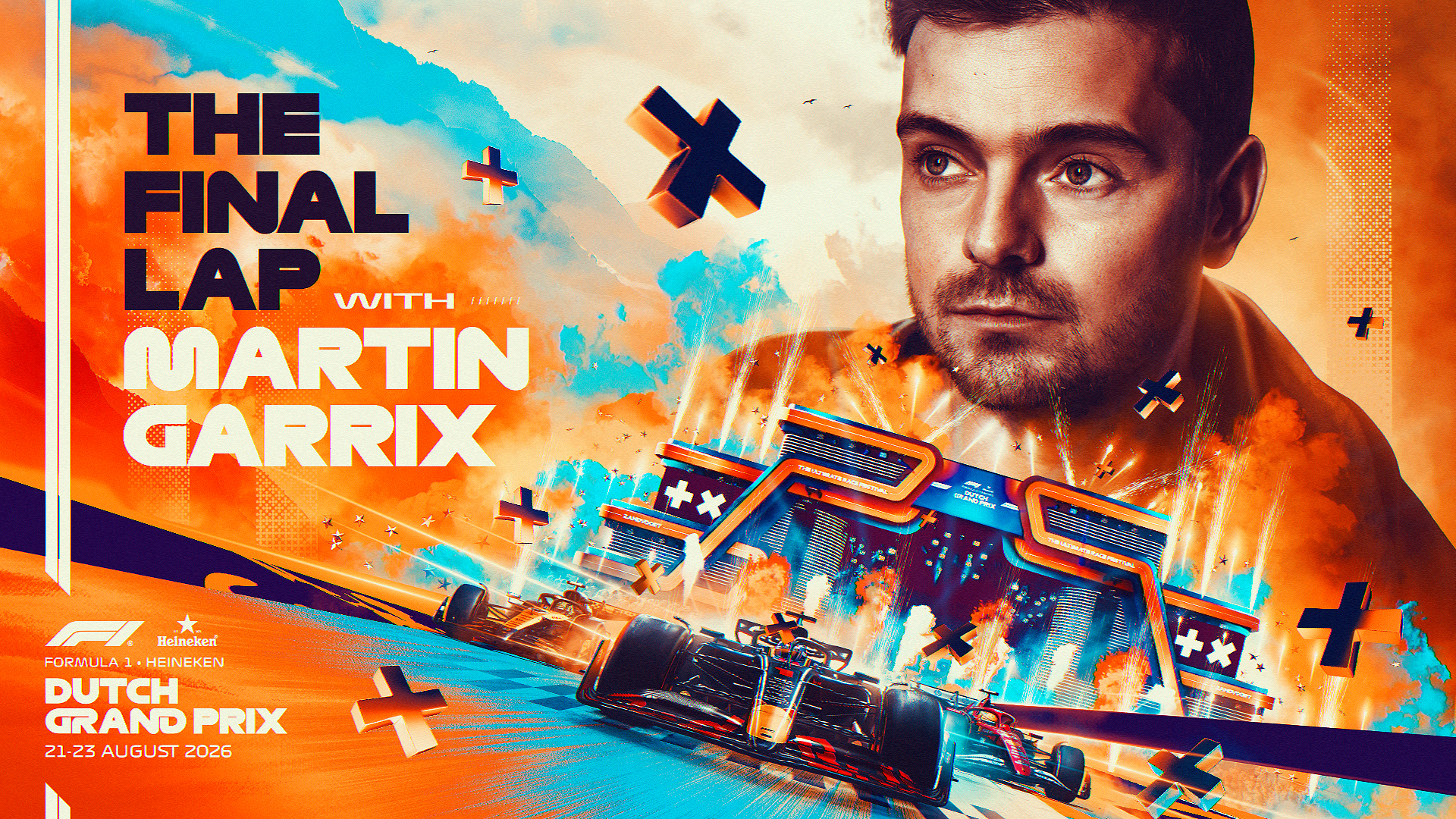
Before the final race had even begun, Sporting Director Jan Lammers addressed everyone who had turned Zandvoort orange since Formula 1 returned in an open letter. On behalf of the organisation, he reflected on an adventure that for years had been considered impossible, but grew into an event that made an impact around the world. His message to the fans was as simple as it was meaningful: “You made that happen.”
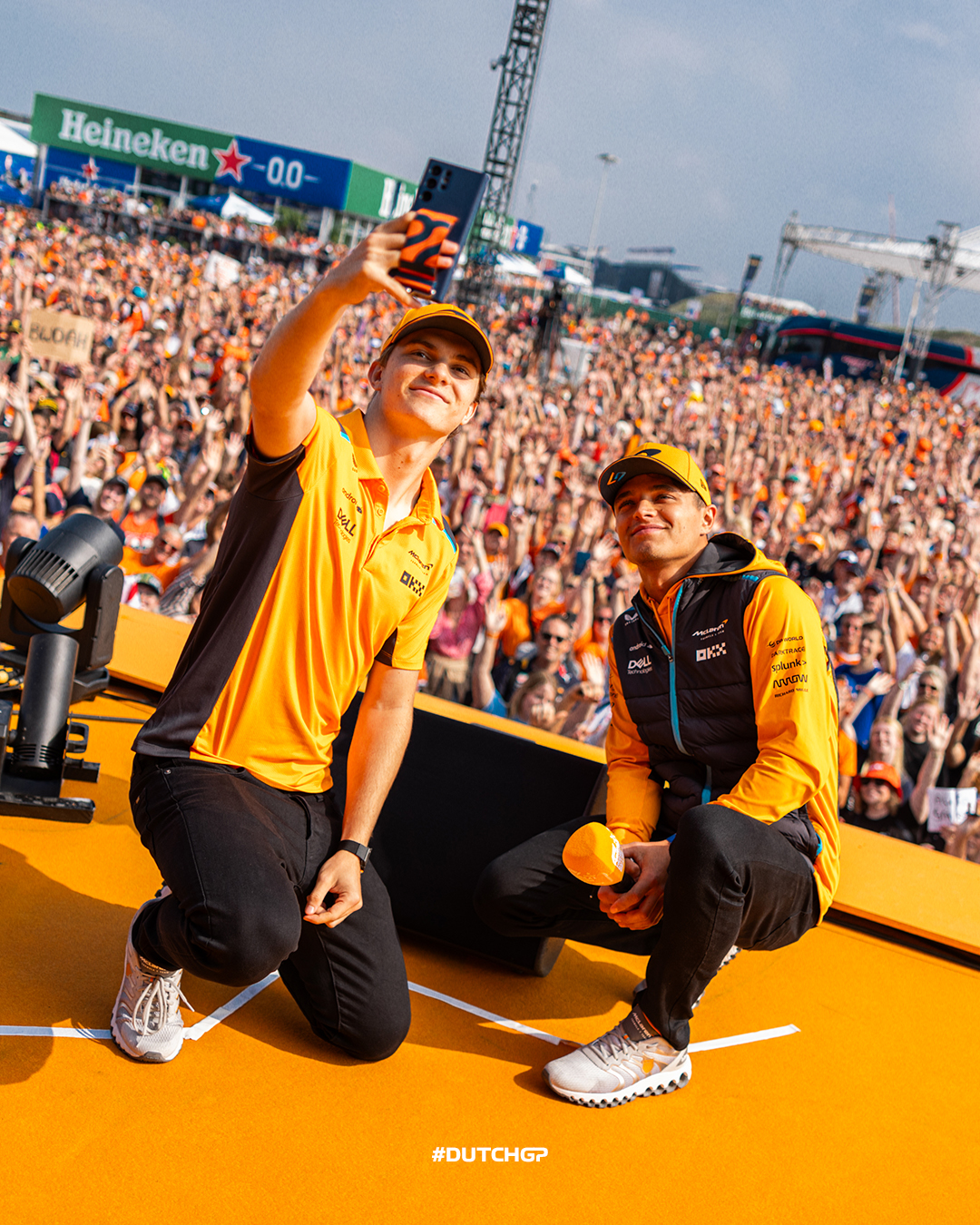
After 72 laps, Lando Norris crossed the finish line first. In doing so, he not only won the final Formula 1 race at Circuit Zandvoort, but also claimed his second Formula One Heineken Dutch Grand Prix victory. Since the event returned in 2021, the six editions have produced three different winners: Max Verstappen (2021, 2022 and 2023), Lando Norris (2024 and 2026) and Oscar Piastri (2025).
A royal farewell
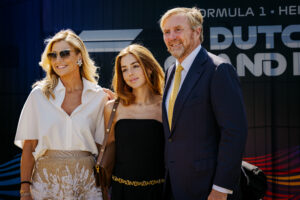
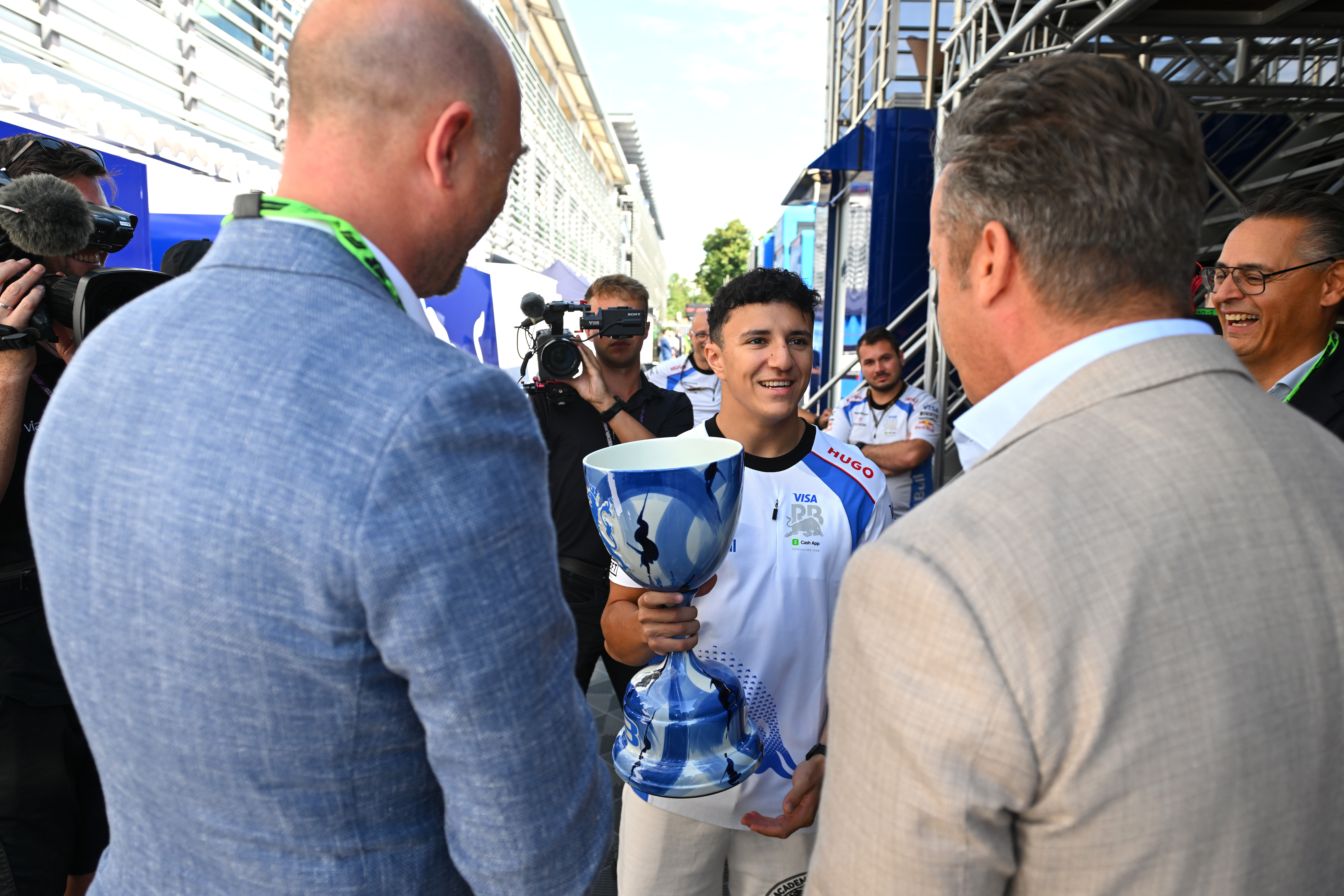
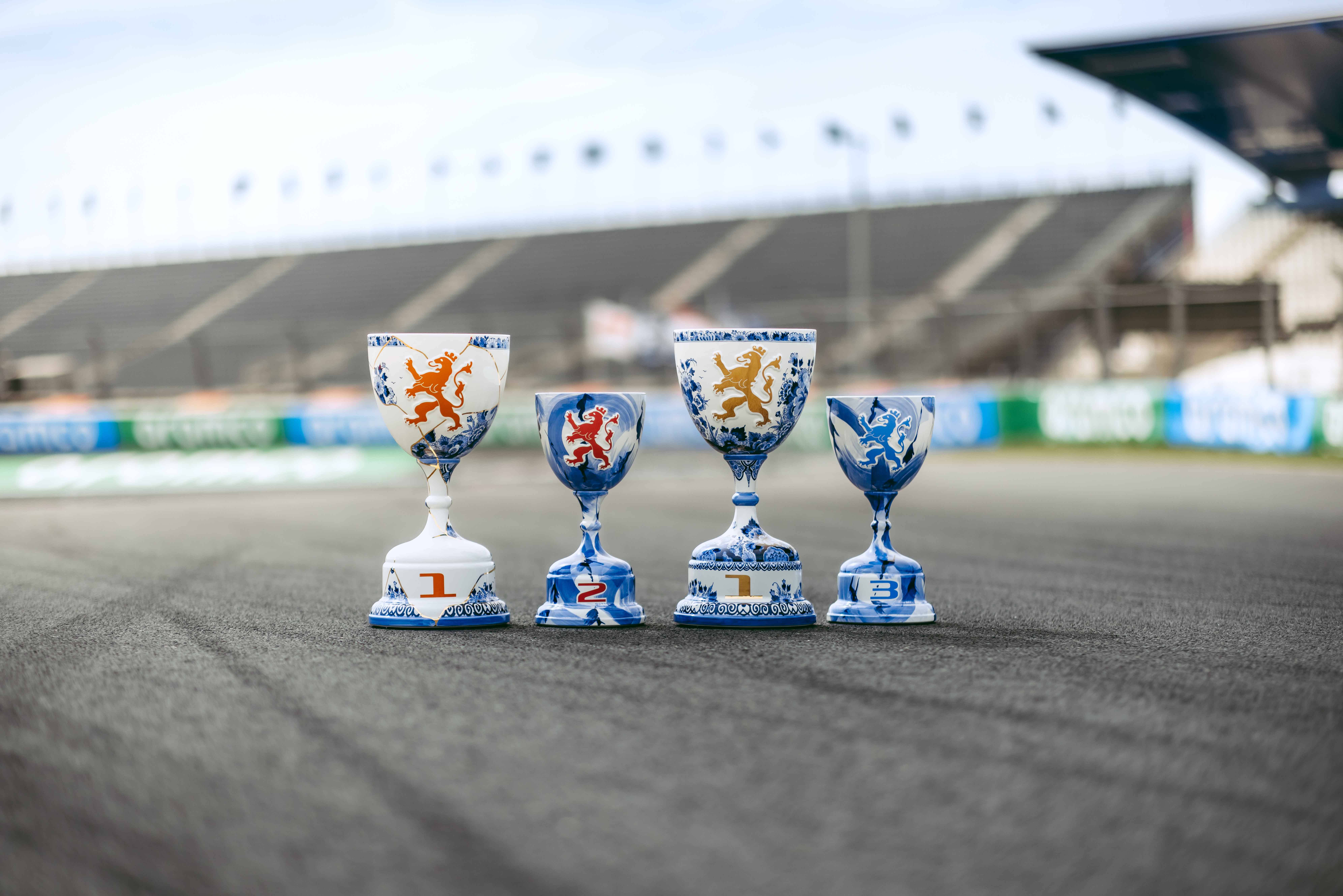
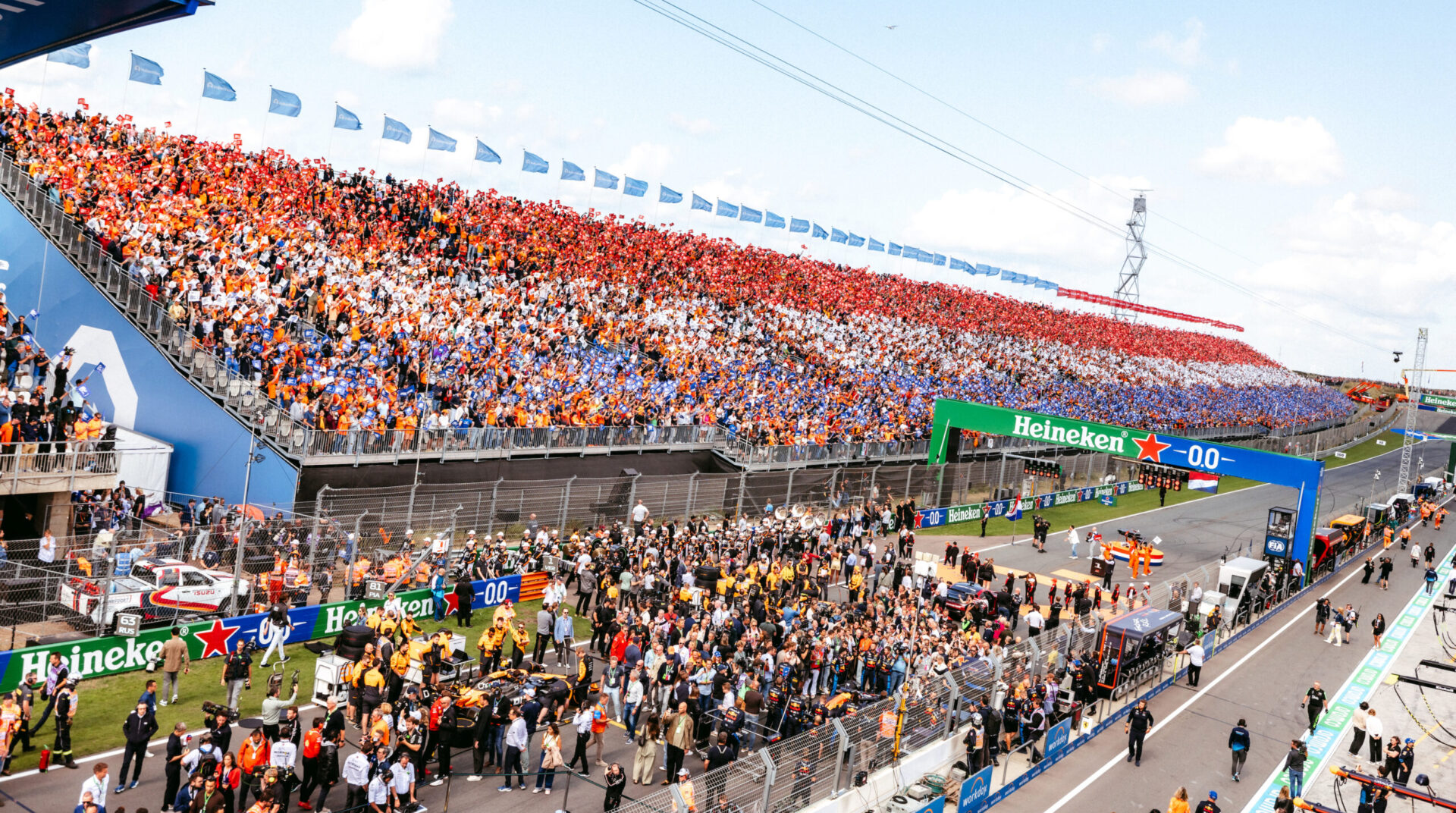
After the finish, King Willem-Alexander presented the winner’s trophy to Lando Norris. The King attended the Dutch Grand Prix together with Queen Máxima and Princess Alexia. Their presence at the Final Lap underlined the special place the event has occupied in Dutch sport over the past six years.
Record attendance of 325,000
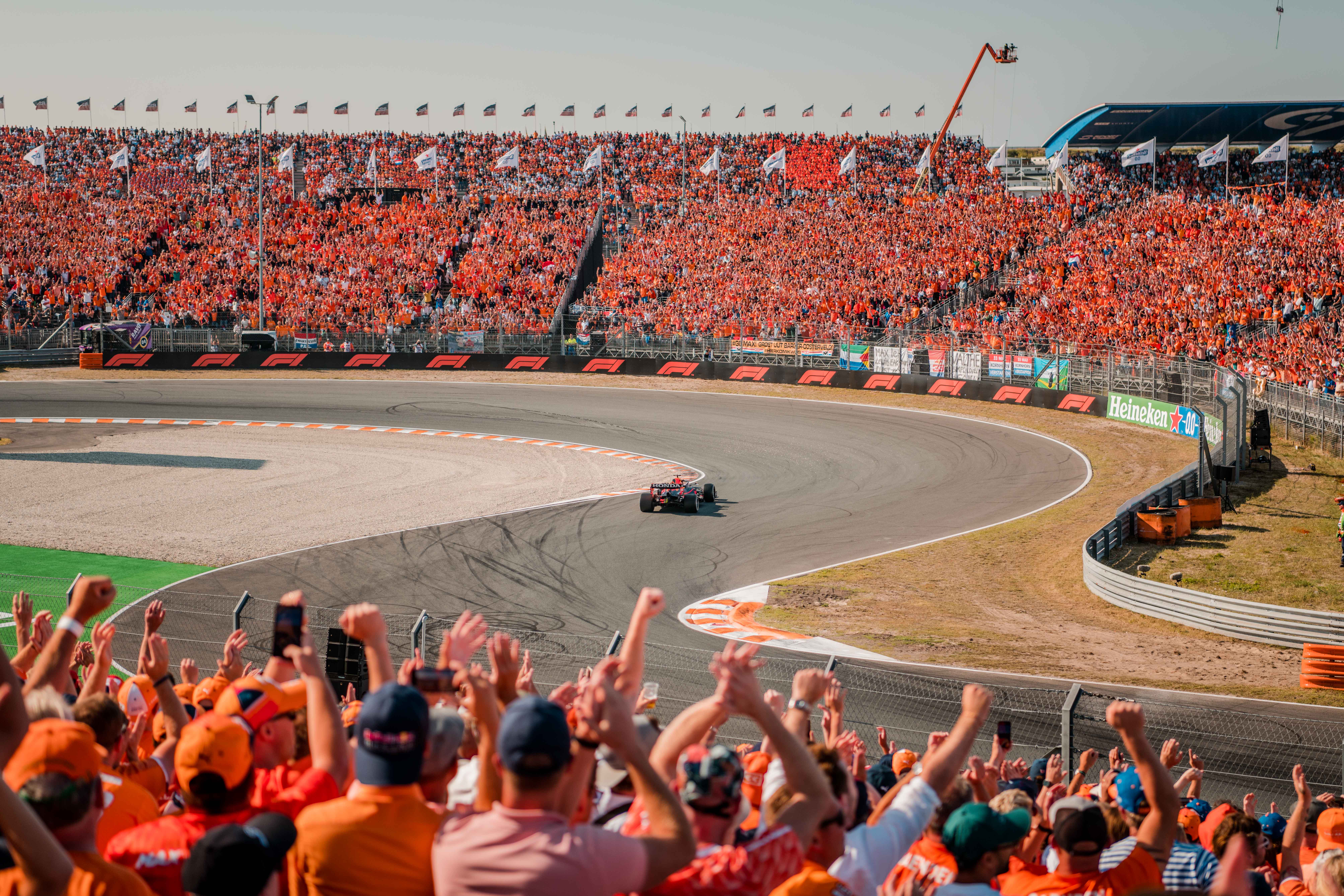
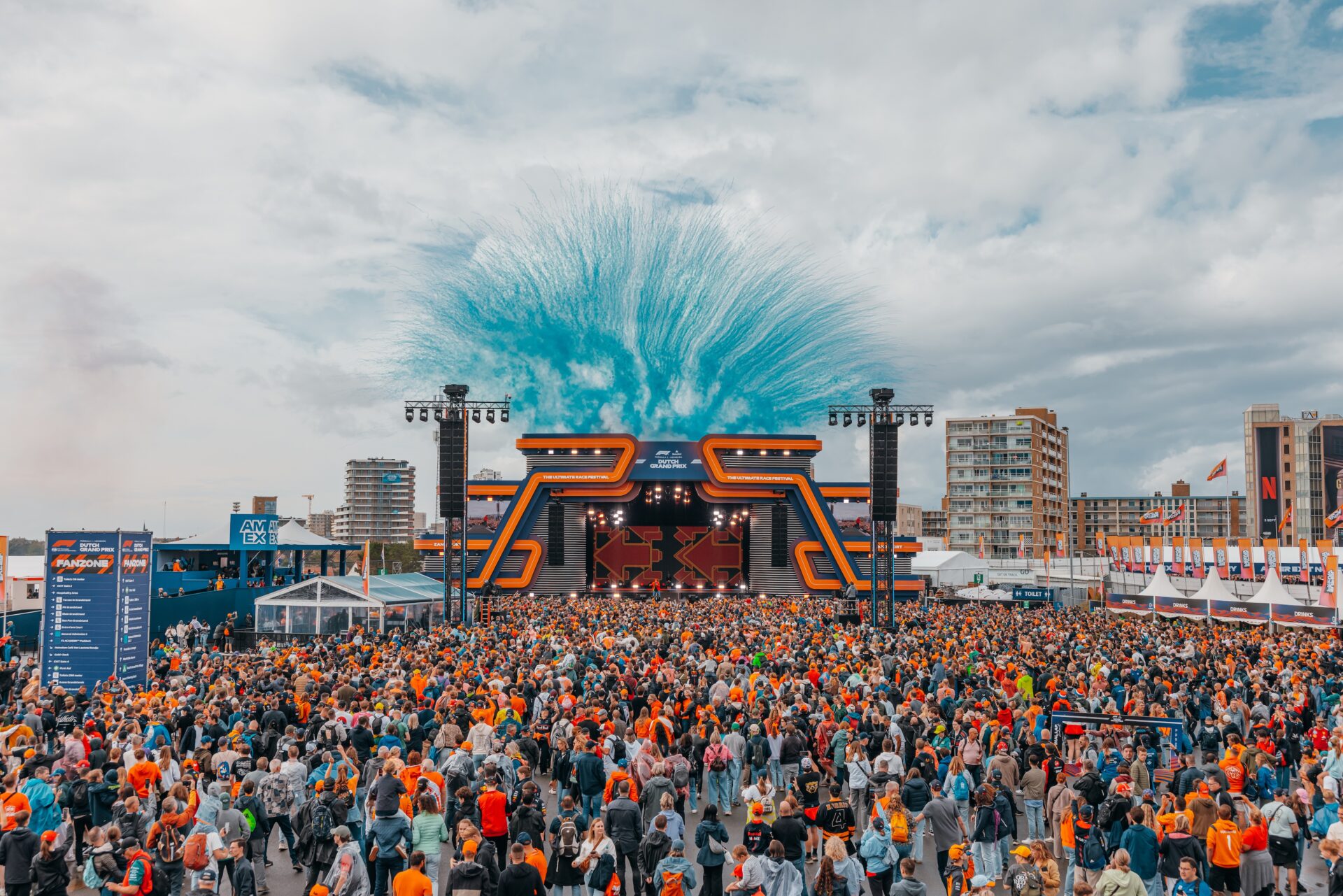
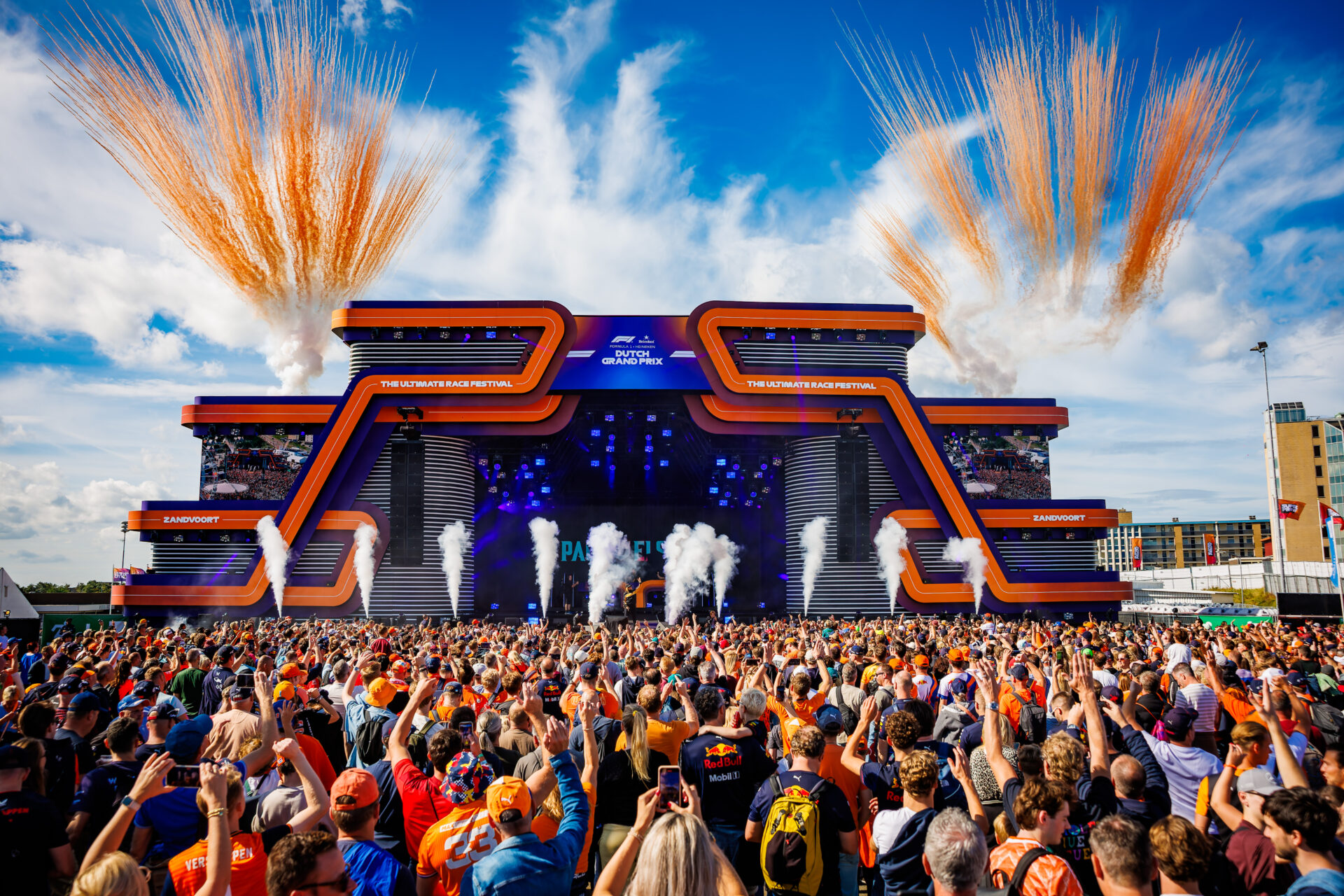
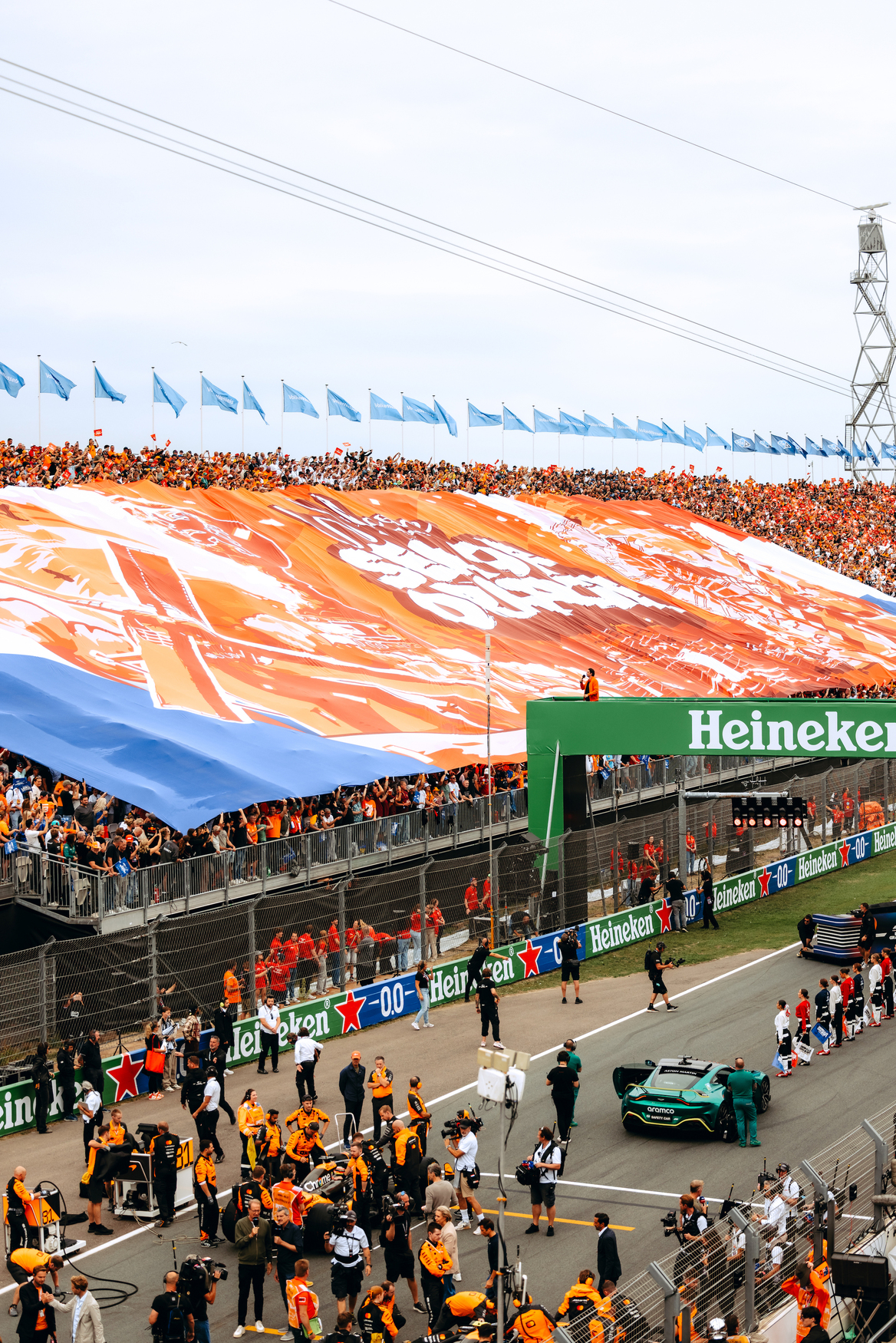
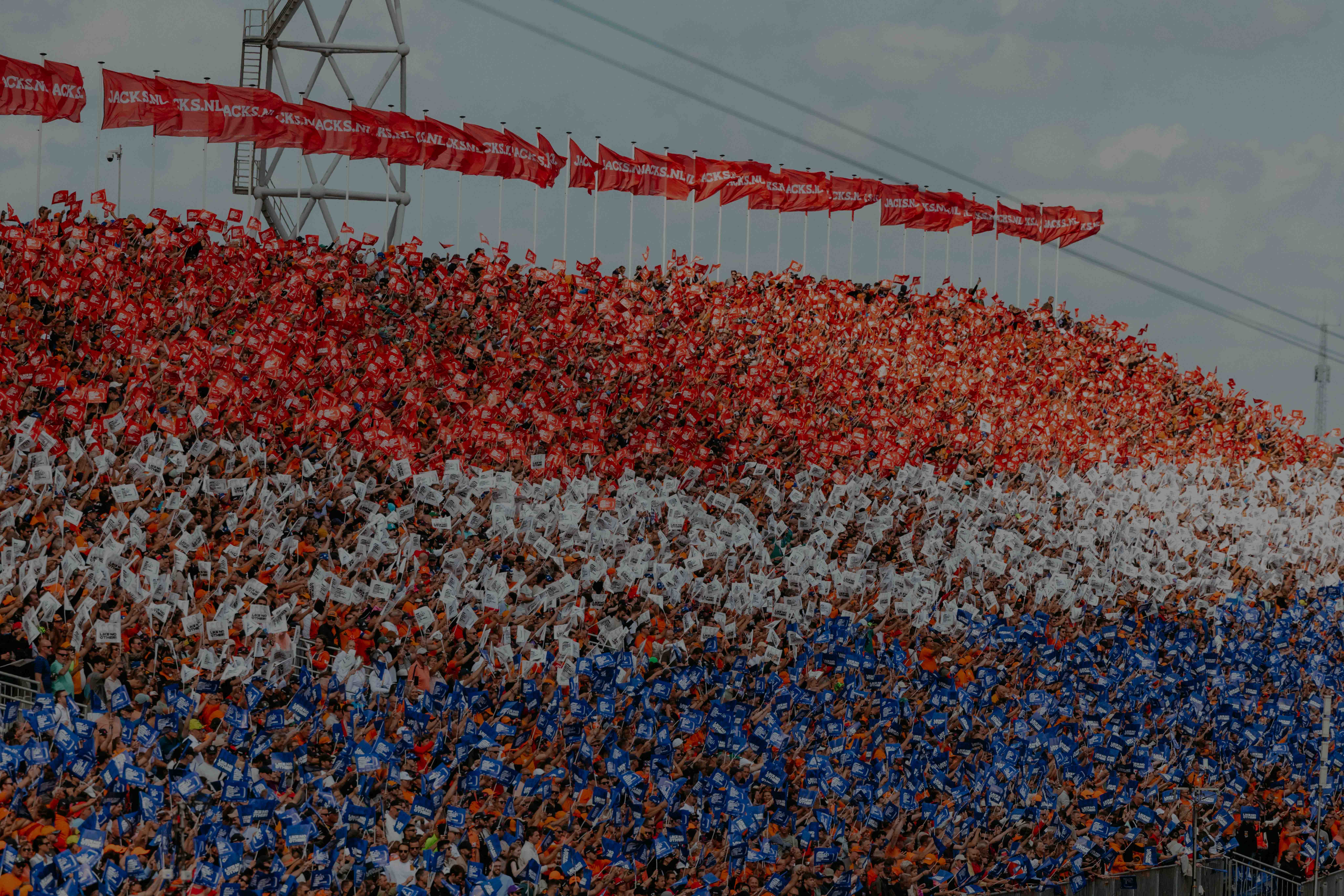
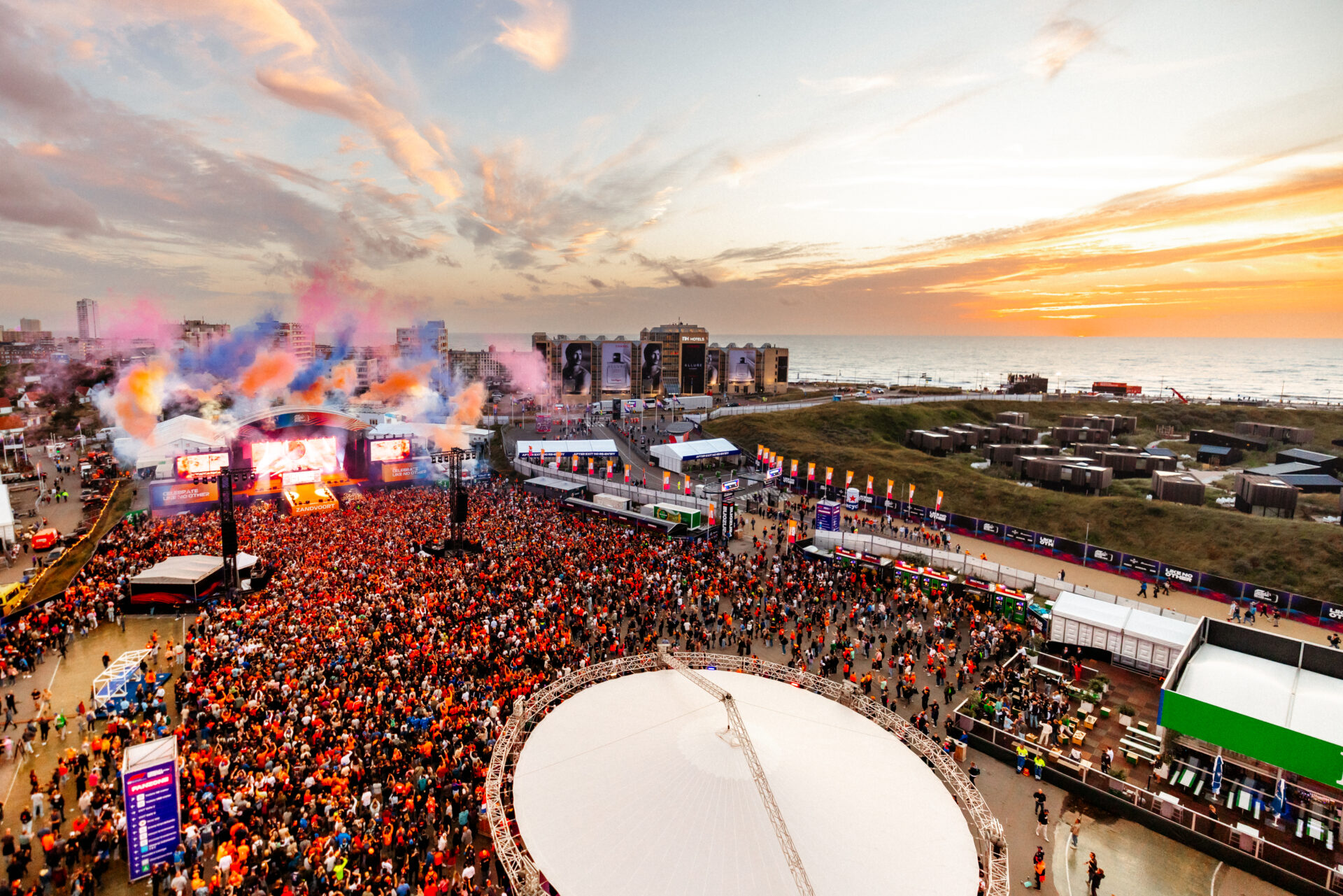
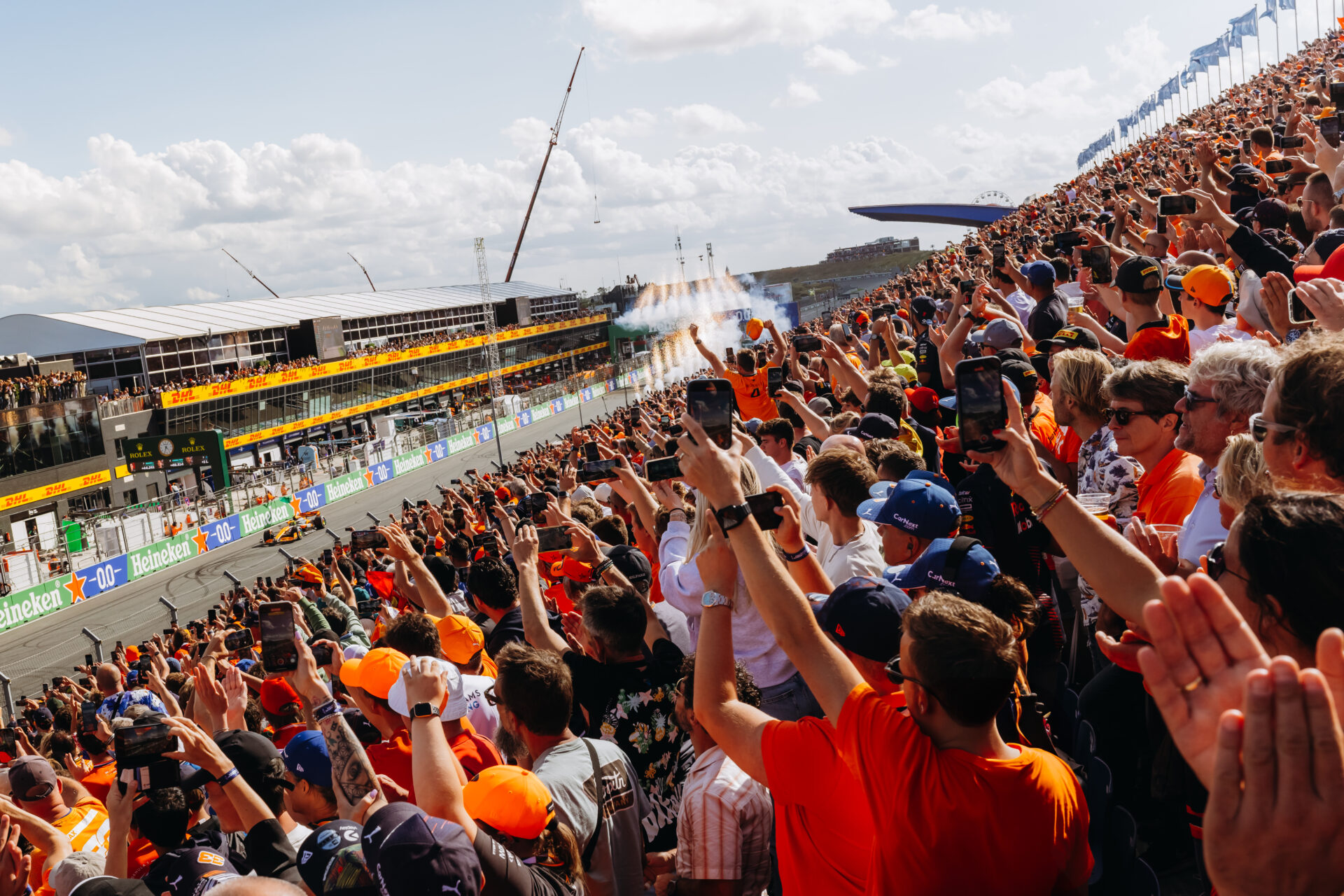
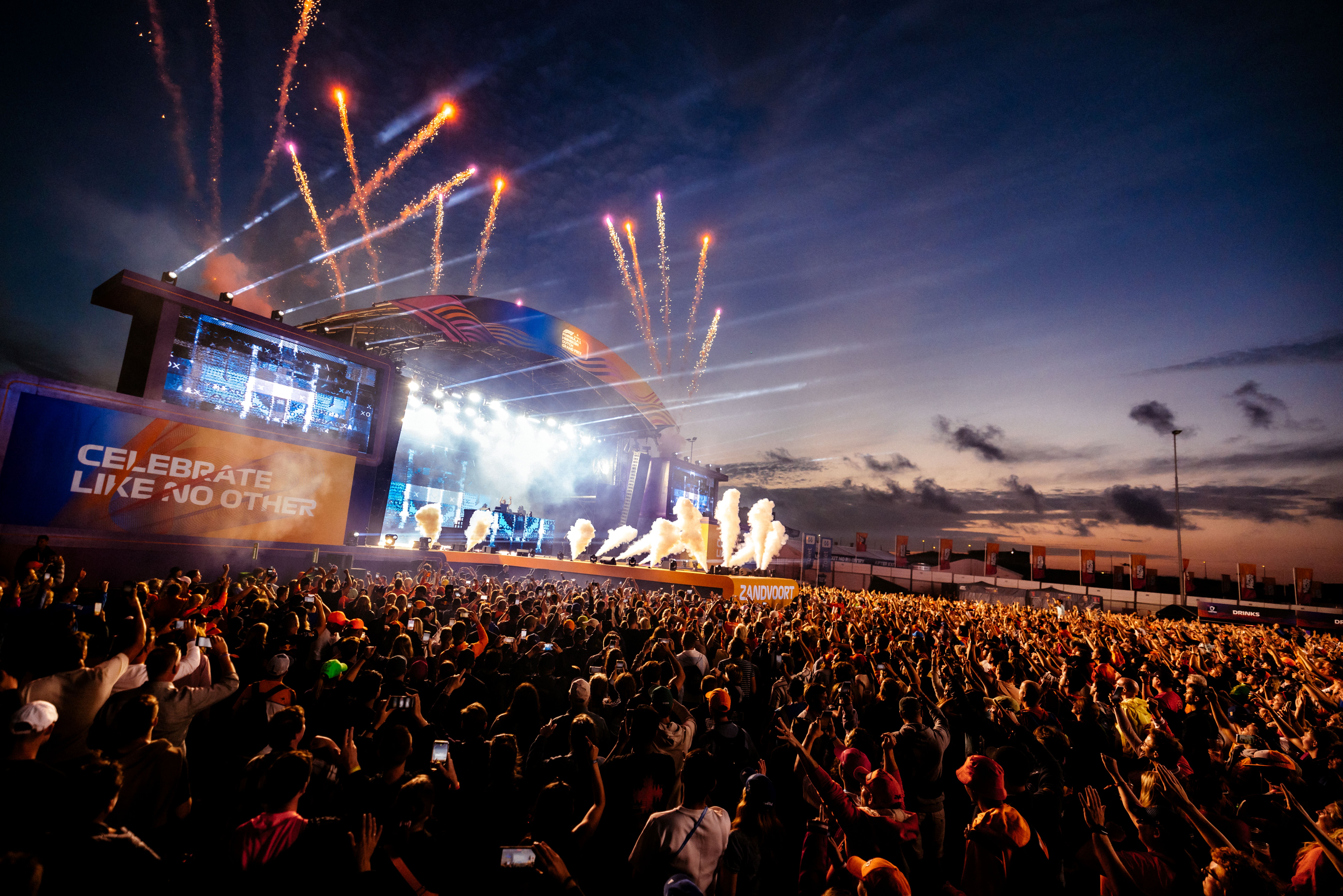
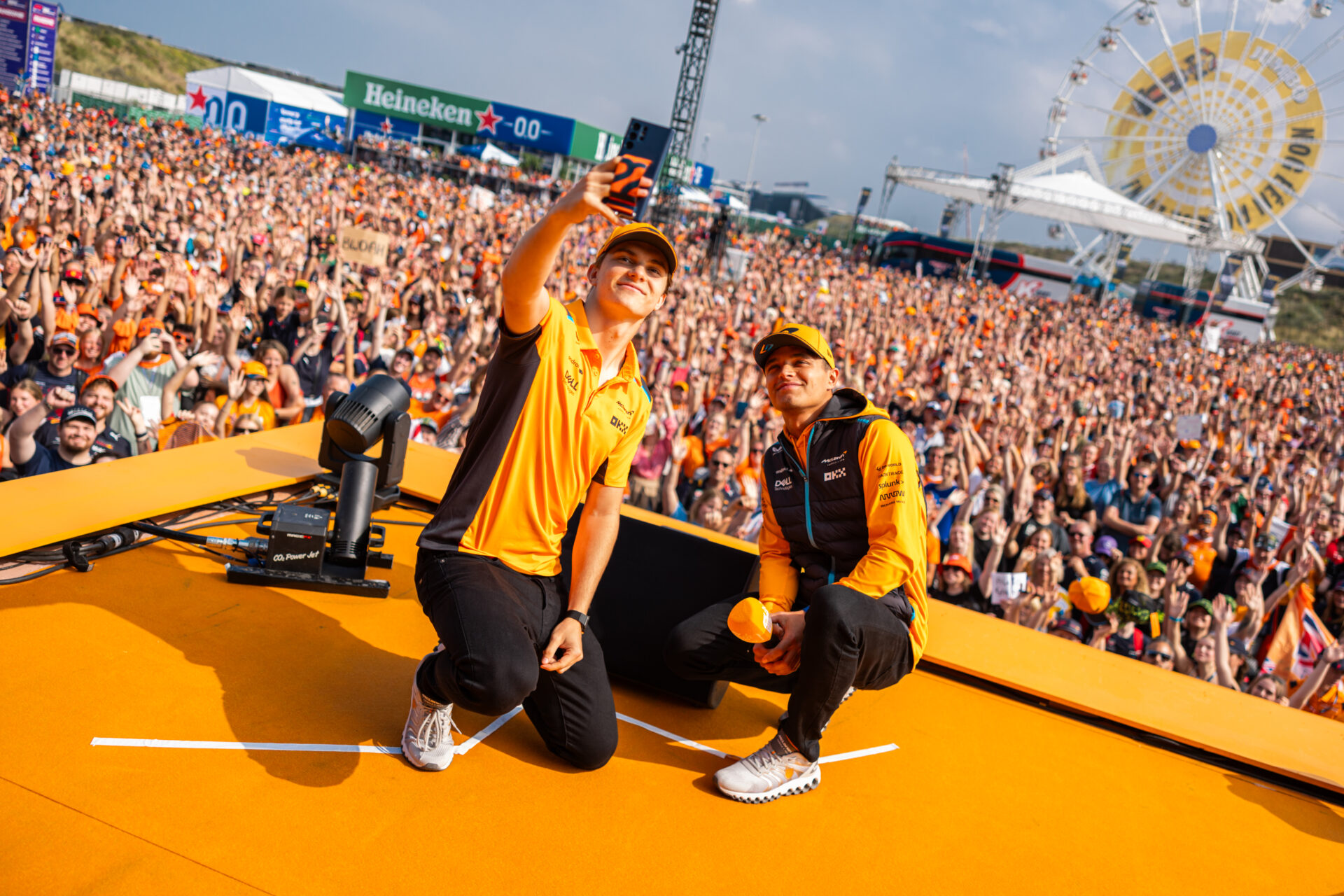
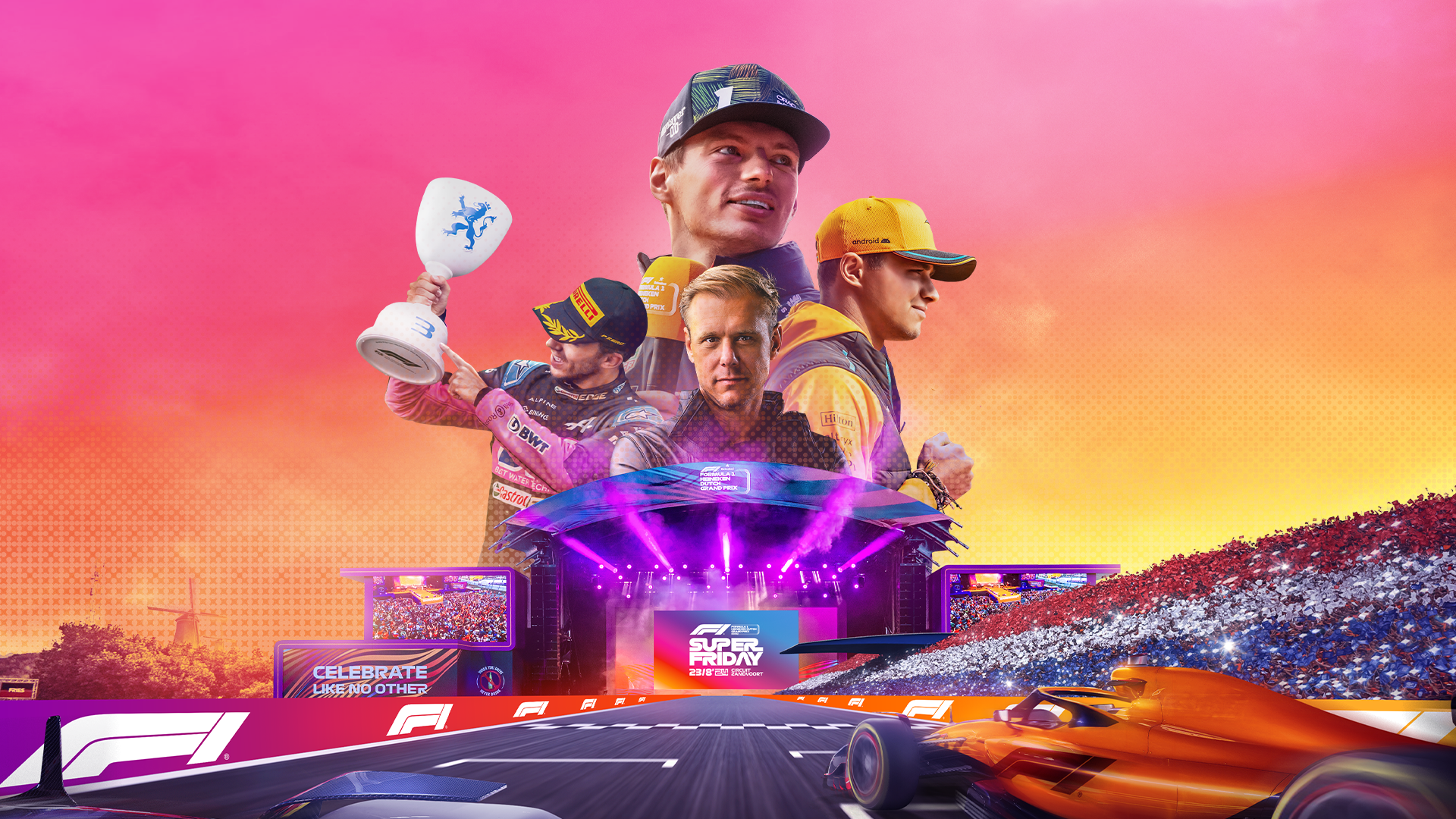
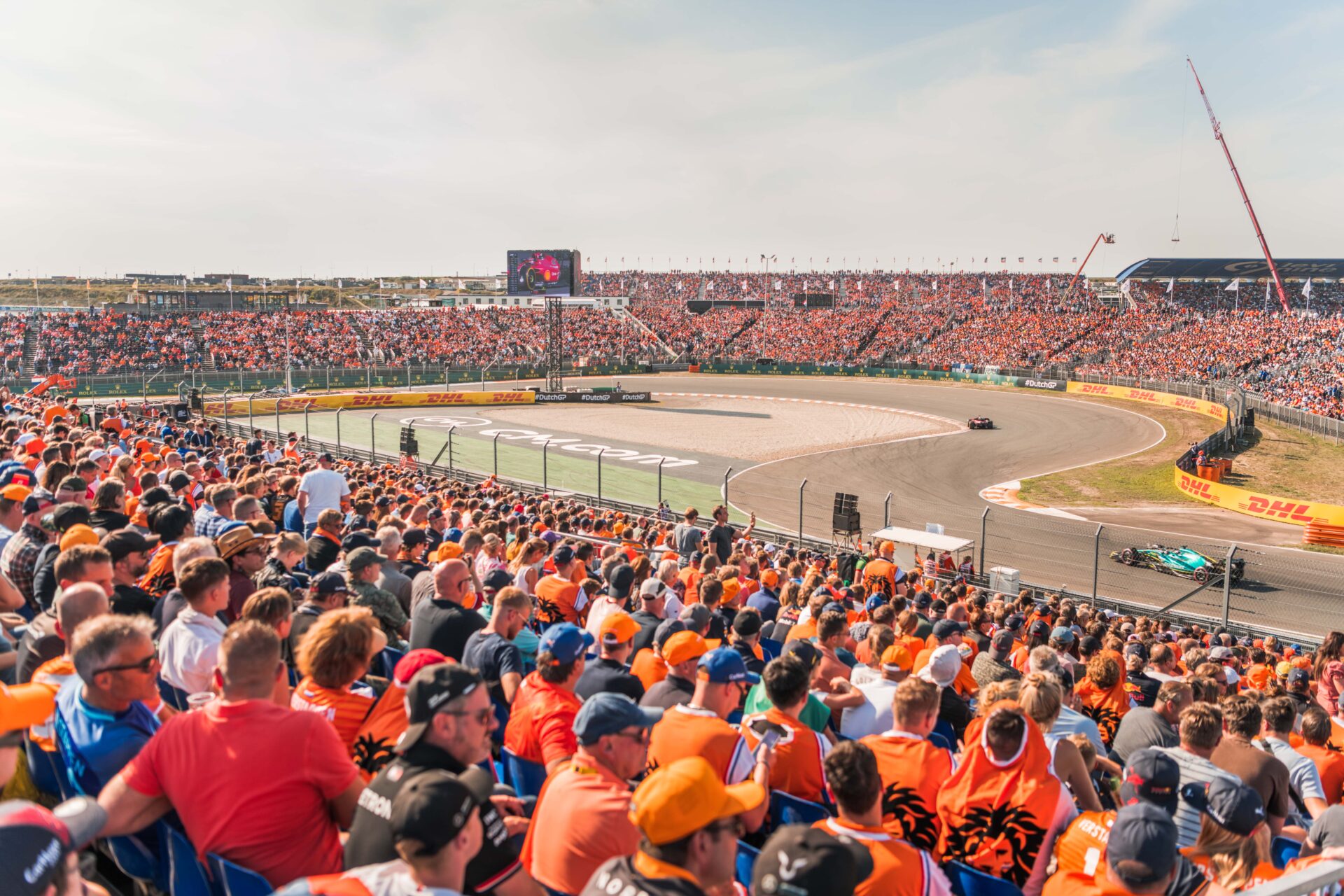
The final edition attracted a total of 325,000 visitors from Thursday through Sunday, setting a new attendance record for the FORMULA 1 HEINEKEN DUTCH GRAND PRIX. Thursday’s activities welcomed 15,000 people, while 100,000 visitors came to Zandvoort for Super Friday. The event was completely sold out on both Saturday and Sunday, with 105,000 visitors attending each day.
Across the six editions held since 2021, almost two million people visited the Dutch Grand Prix.
Robert van Overdijk, Director of the Dutch Grand Prix: “Today, we brought an unforgettable chapter in Dutch sporting history to a close. Over six editions, hundreds of thousands of fans, staff members, volunteers and partners showed what the Netherlands is capable of. Behind those almost two million visitors are, above all, countless people, memories and stories. We are immensely grateful to everyone who made that possible.”
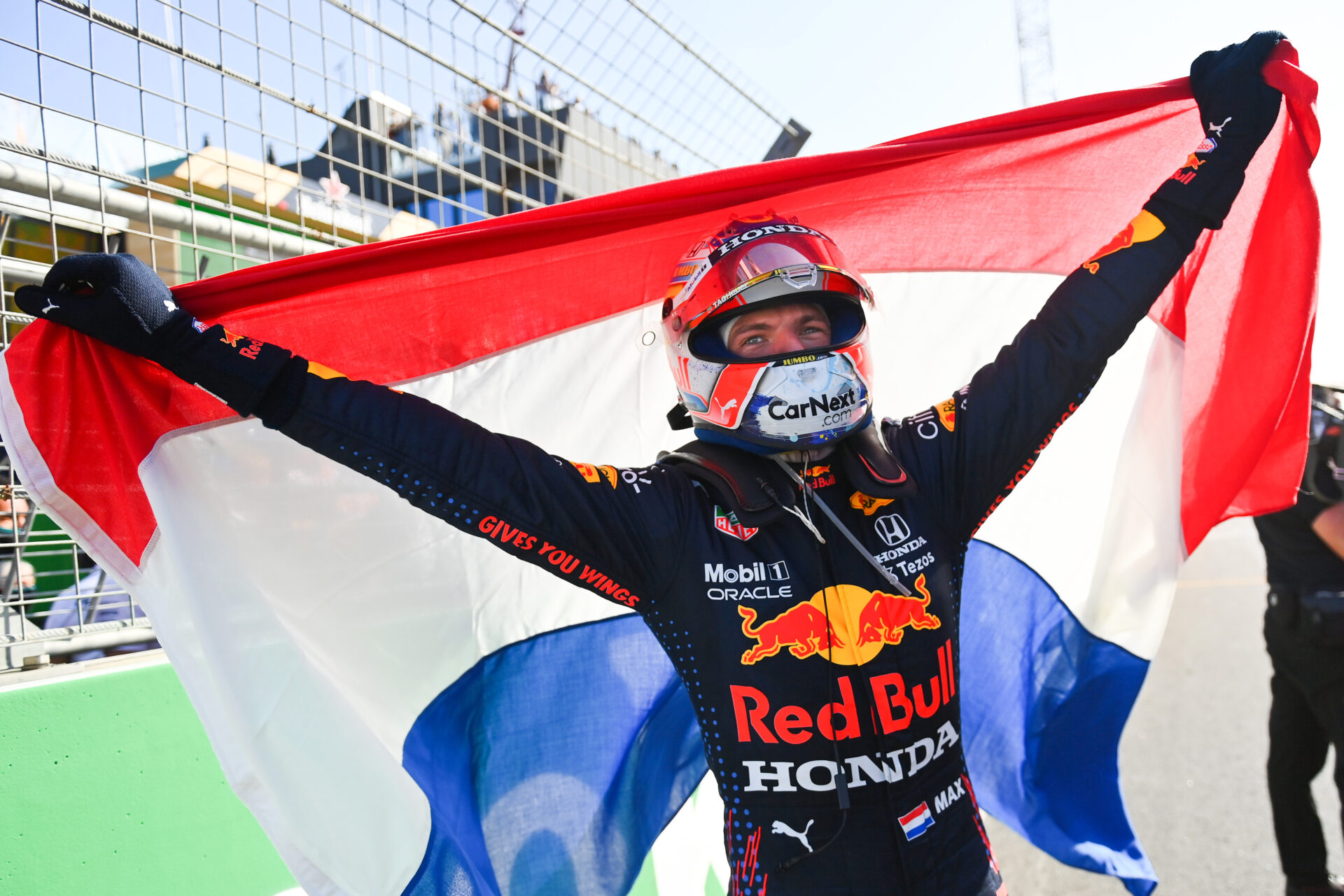
Max Verstappen: the driving force
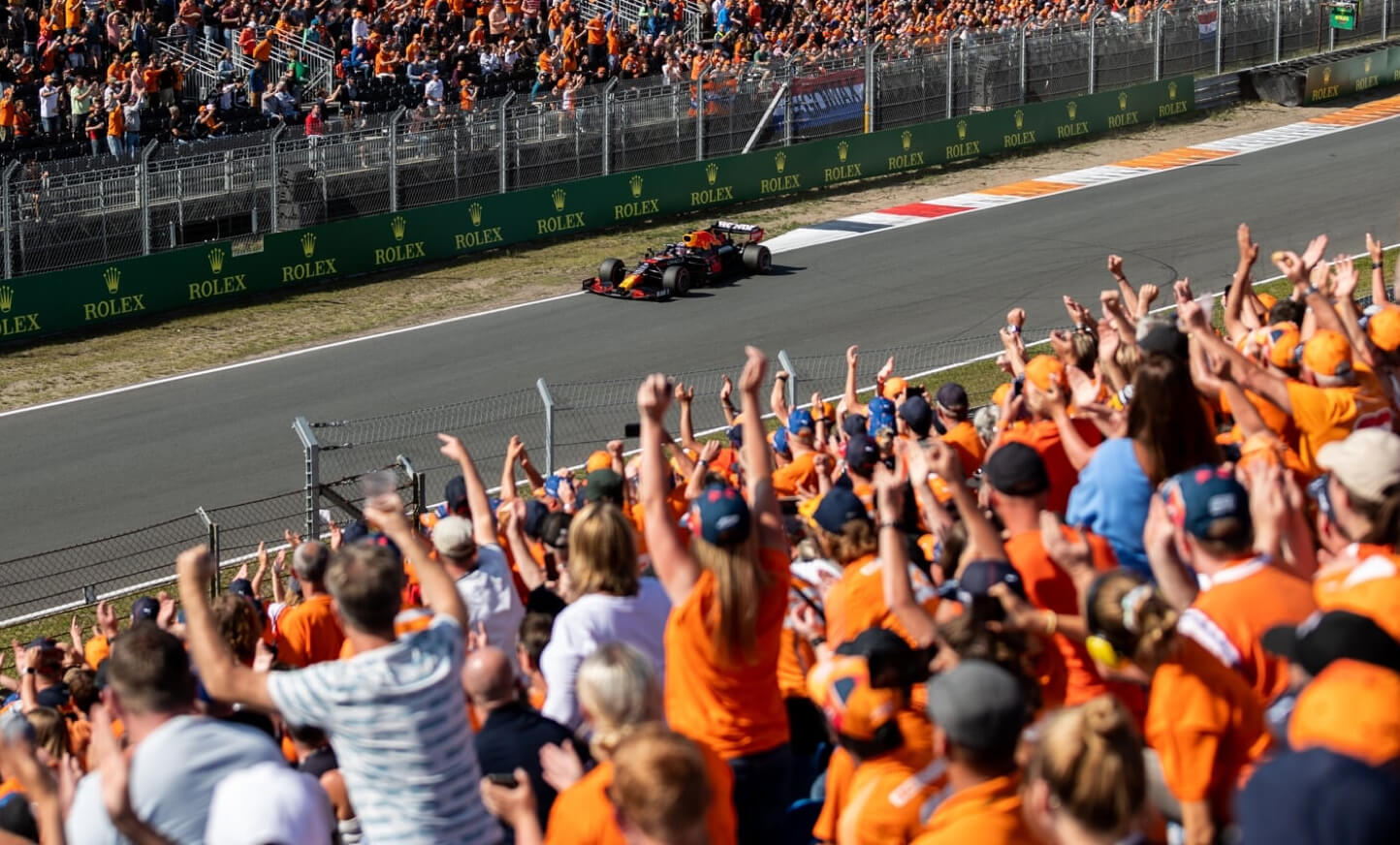
The driving force behind Formula 1’s return was, of course, the success of Max Verstappen. The Orange Army travelled around the world to support the Dutch racing hero, prompting Formula One Management to give the green light for a home Grand Prix. Verstappen’s popularity and the iconic circuit in the seaside town of Zandvoort proved to be a winning combination.
Max Verstappen: “All those years here have been incredible. What they did to bring the race back is very special, and it set a great example for other Grands Prix of how to organise a race.”
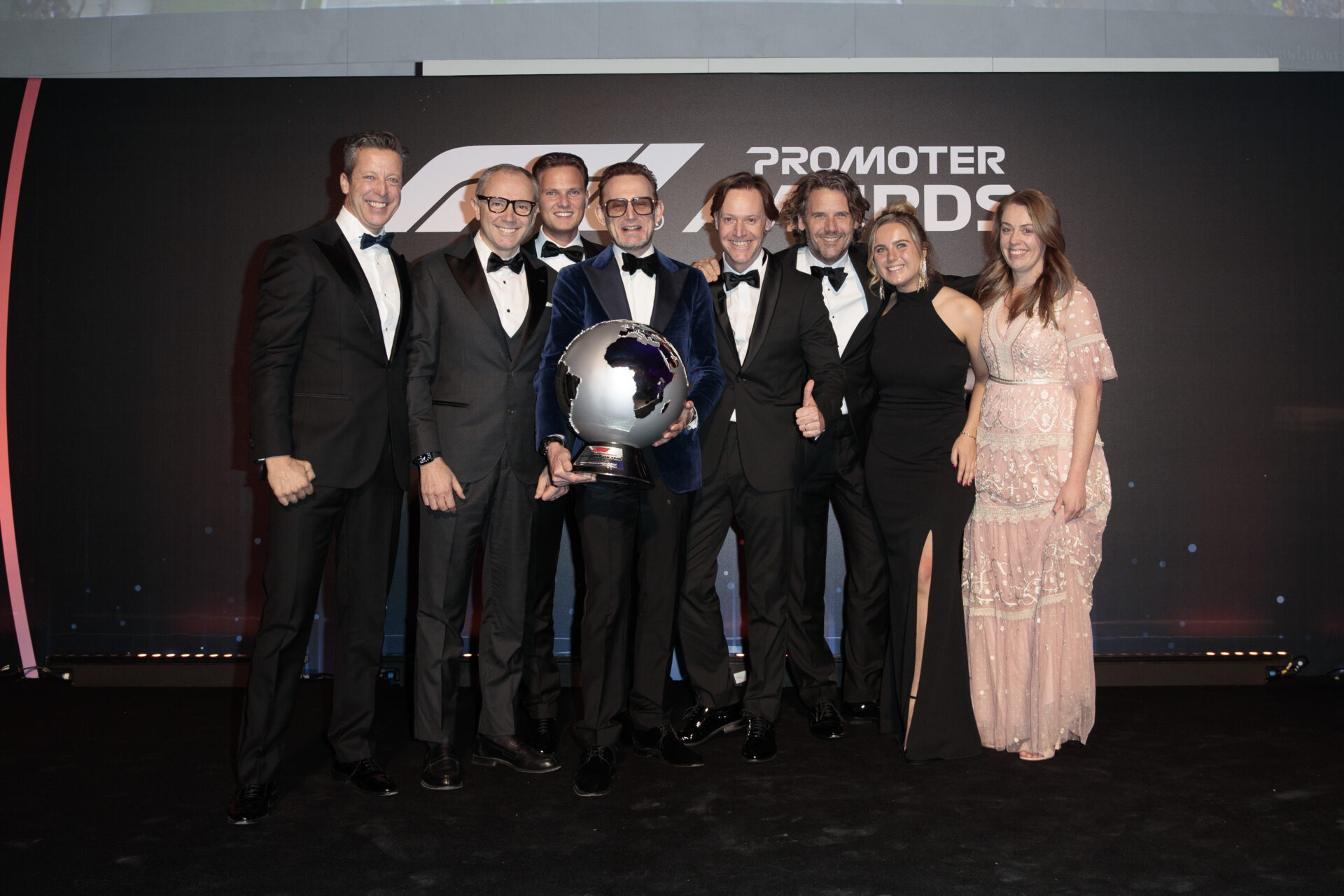
It is a major compliment to Circuit Zandvoort, SportVibes and TIG Sports & Events, the three companies that began working together in 2017 to deliver a plan many believed to be impossible.
‘It could be done’
Van Overdijk describes the past few years as “a magnificent adventure” and “an iconic chapter in Dutch sporting history”. With Formula 1 as the catalyst, the historic circuit was modernised and a professional events organisation was created—one that can continue after the departure of the Dutch Grand Prix.
“The road to the first race was anything but straightforward. The coronavirus pandemic forced us to postpone the event, and legal proceedings followed. Despite all that, we set the standard from the very first edition in entertainment and sustainability, combined with a new way of organising. It did not merely show that it could be done; it also proved that, as a country, we are exceptionally good at this,” Van Overdijk said.
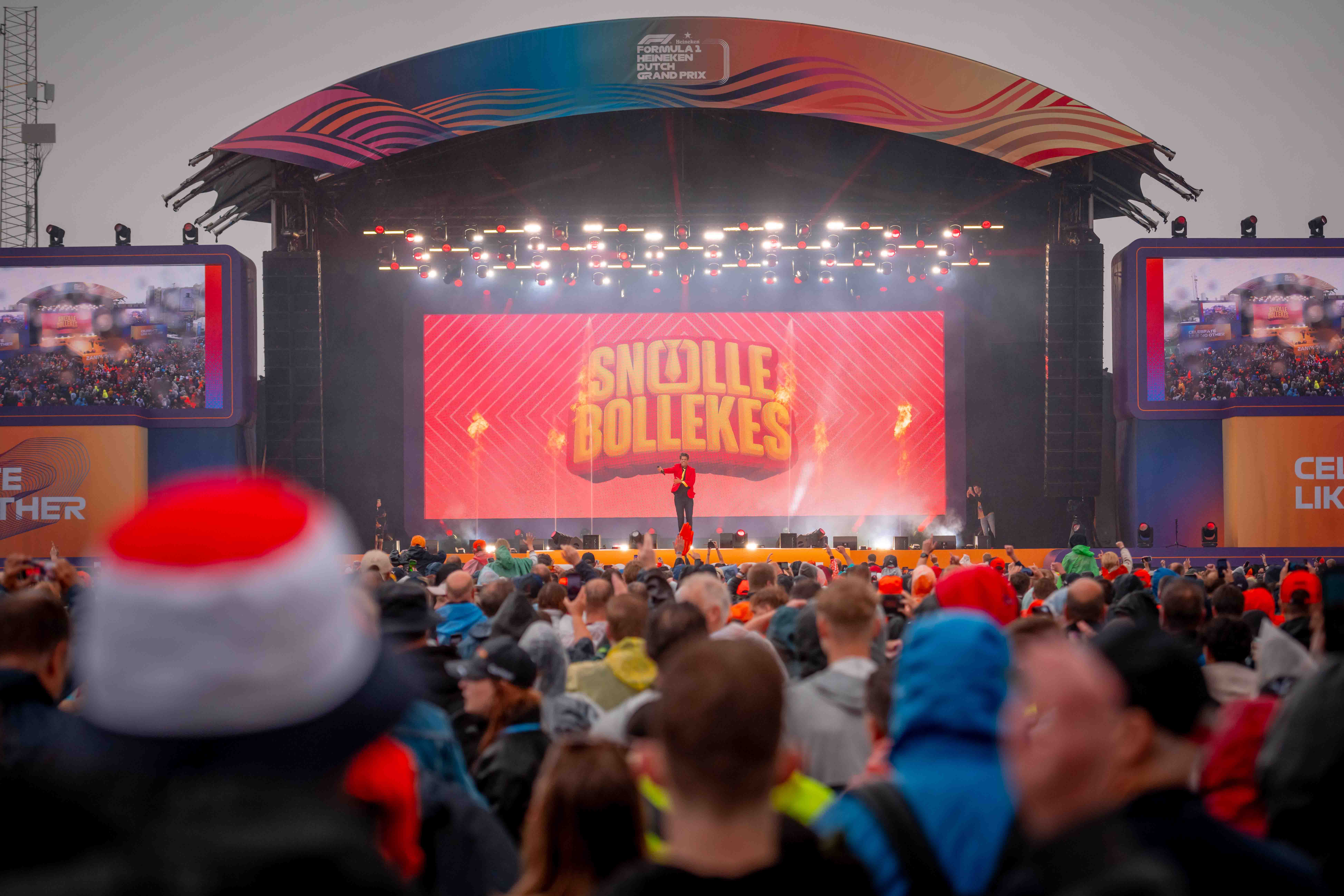
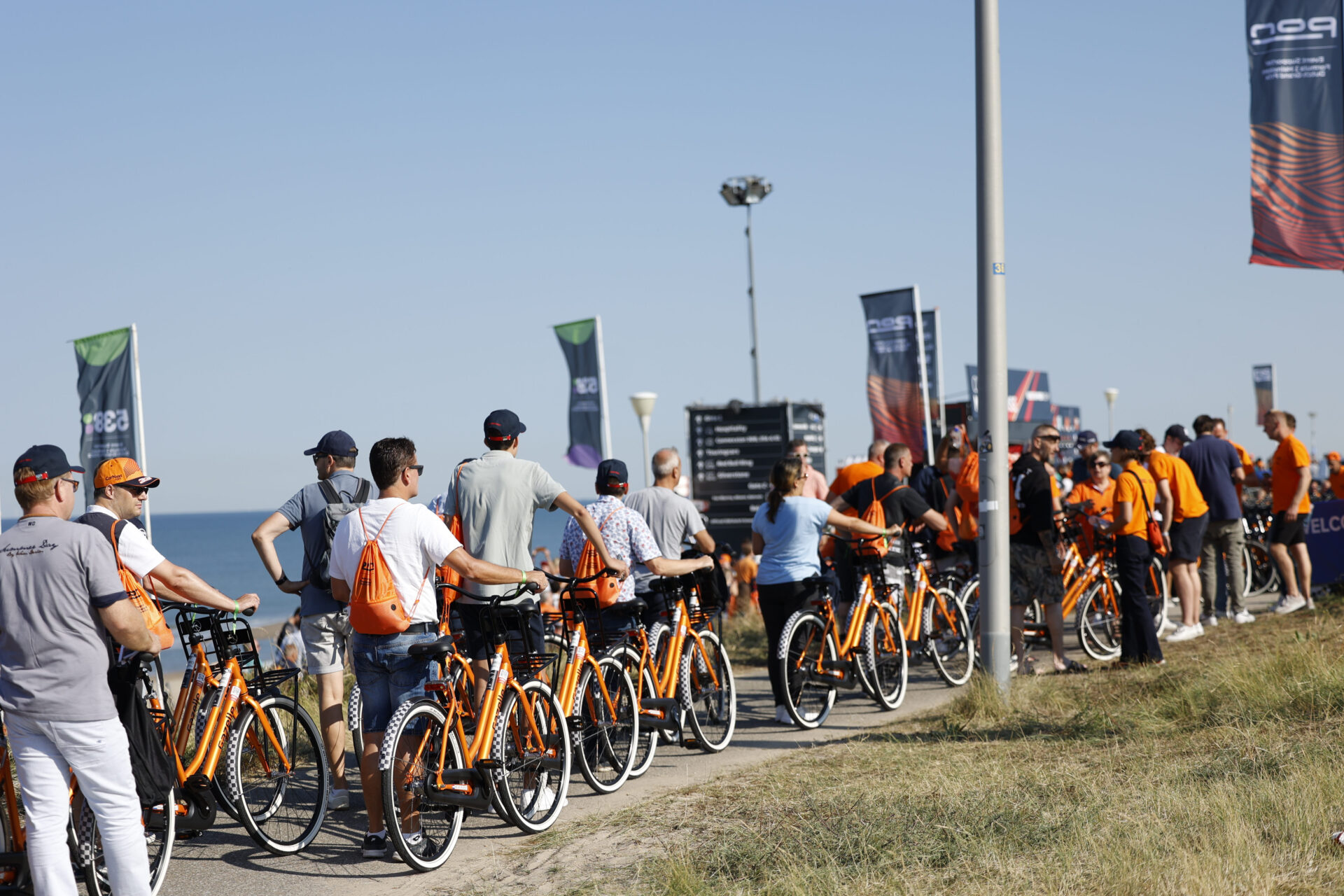
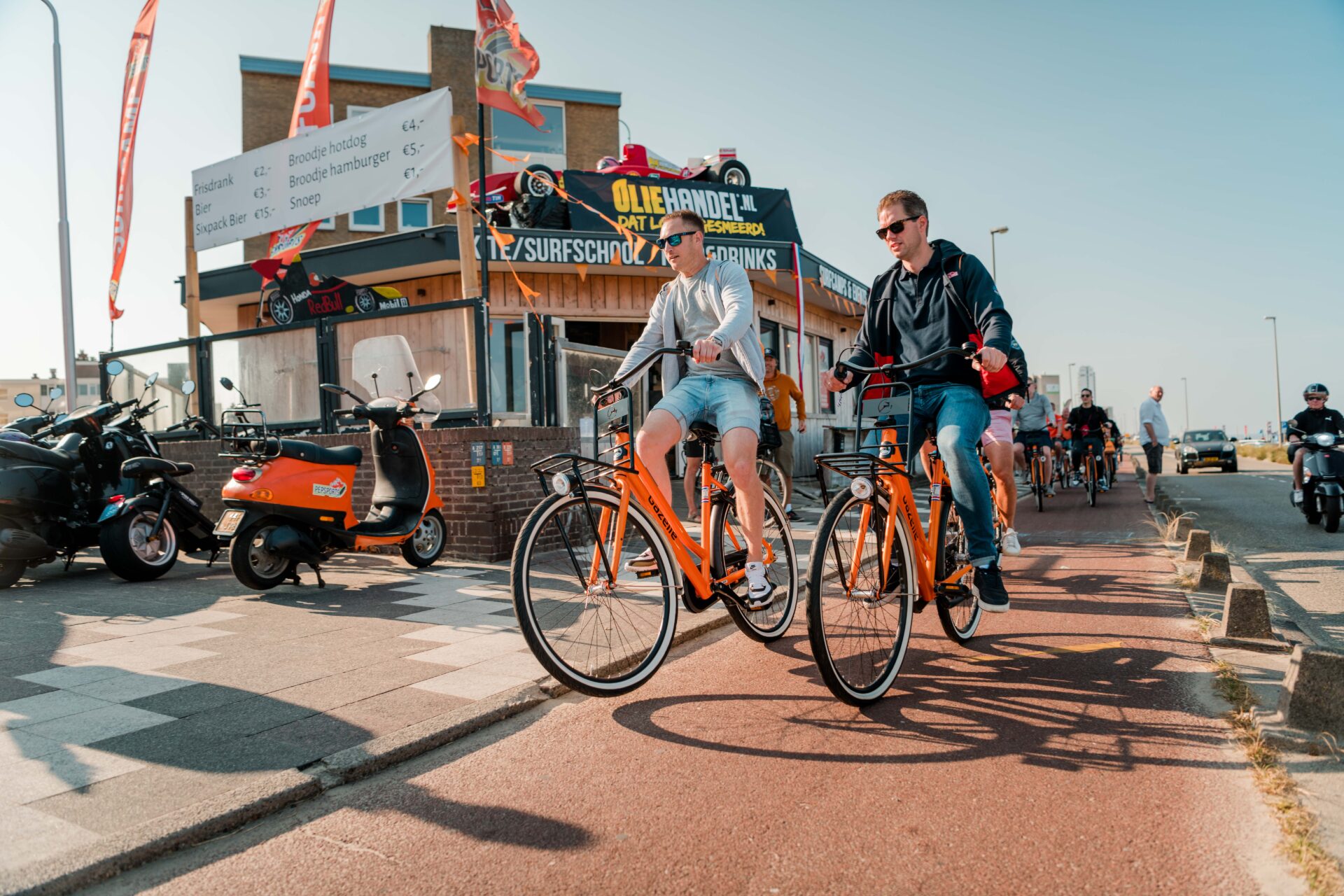
The sporting and commercial landscape has also changed rapidly over the past six years. Formula 1 expanded dramatically, as did the logistical operation, budgets and international interest. Zandvoort also set new international standards with a mobility plan that brought tens of thousands of visitors to the circuit by bicycle and train, full grandstands on Fridays and a combination of elite sport and festival entertainment.
Ideas pioneered at Zandvoort were subsequently adopted by other Grands Prix and international sporting events. In that way, the Dutch Grand Prix leaves a lasting impression on the world’s premier motorsport category.
RELATED NEWS
ALSO INTERESTING

Dutch GP app
Download nu de officiële Dutch GP app en zet jezelf op pole position!